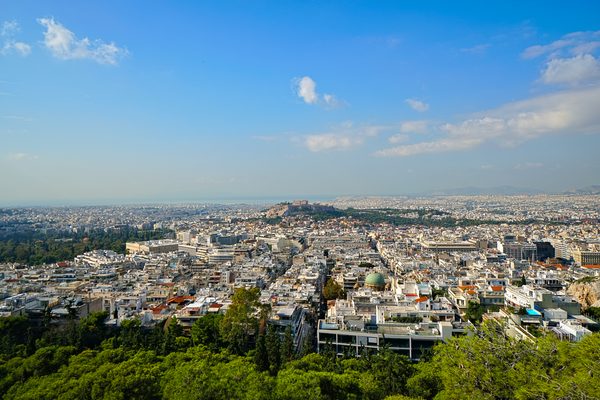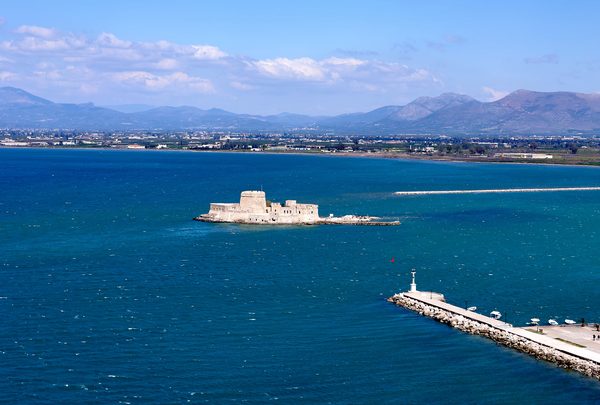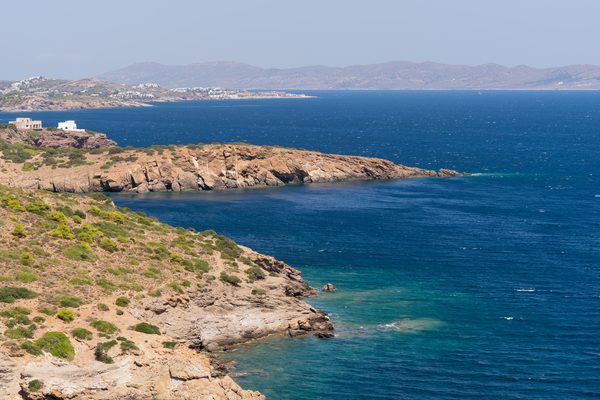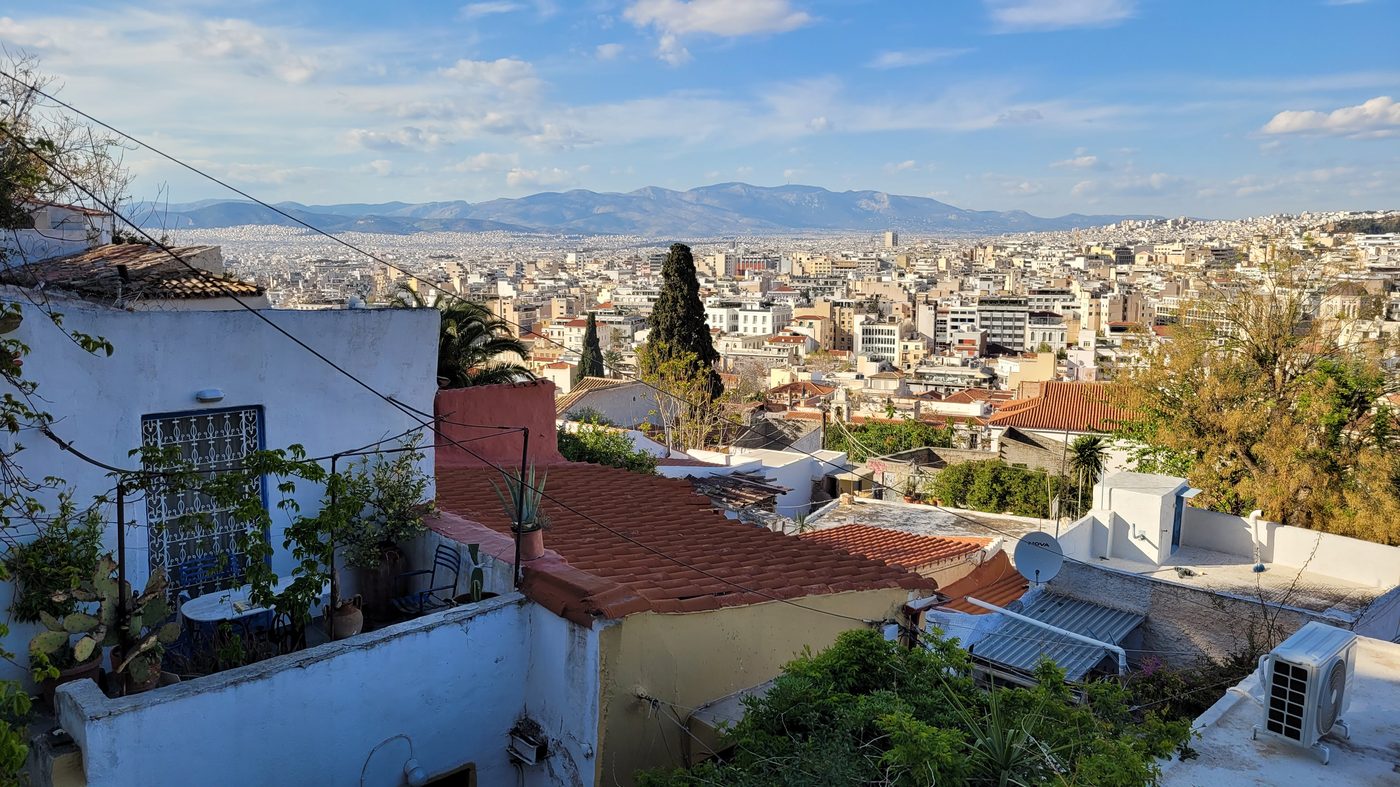
Athens gets 30 million visitors a year, and most of them see the same five things: the Acropolis, Plaka, Monastiraki, the National Archaeological Museum, and maybe a sunset from Areopagus Hill. The real Athens, the one that locals actually live in, exists in a parallel city of quiet archaeological sites, unhurried neighborhoods, hillside viewpoints without selfie sticks, and tavernas where the menu is only in Greek. This guide is about finding that city.
In this guide
Step two or three blocks beyond the well-worn path and the atmosphere shifts entirely. The souvenir shops disappear, the prices drop, and the city starts to feel like what it is: a lived-in Mediterranean capital with 3,400 years of history layered into every street corner. The hidden Athens is not hard to reach. It just requires a willingness to walk past the obvious. For the main sights, our self-guided walking tour covers the historic center, while the free things to do guide covers every no-cost experience.
What Hidden Ancient Sites Should You Seek Out?
Everyone visits the Acropolis, and rightly so. But Athens has a constellation of lesser-known archaeological sites that are equally atmospheric and far less crowded, some of them genuinely deserted on a weekday morning.
Kerameikos is the ancient cemetery and potters' quarter on the northwest edge of classical Athens. The name gives us the word "ceramic." What survives is an eleven-acre landscape of funerary monuments, carved grave stelae, and the foundations of the ancient city walls, shaded by pine trees and wildflowers. The on-site museum displays recovered sculptures. Kerameikos rarely has more than a handful of visitors, making it a place where you hear birdsong instead of tour guides. Entry is EUR 10, free on the first and third Sundays of each month from November through March. It closes at 15:00 from November to March (later in summer), so check hh.gr for current hours. Metro: Kerameikos.
The Library of Hadrian sits directly behind Monastiraki Square, and thousands of tourists walk past its entrance daily without going in. Built in 132 AD as a public library, reading room, and philosophical school, the site preserves a vast rectangular complex with an early Christian basilica built into its ruins centuries later. The surviving west wall along Areos Street, with seven Corinthian columns still standing, is one of the most impressive Roman facades in Athens. Entry is EUR 10.
The Roman Agora and Tower of the Winds occupies a quiet enclosure between Monastiraki and Plaka. The Tower of the Winds itself, an octagonal marble clocktower from the 1st century BC, is an engineering marvel that combined a sundial, water clock, and wind vane in a single structure. Each of its eight sides bears a relief carving of the wind god associated with that compass direction. It was recently restored and can now be entered, though most visitors still walk past it.
The Temple of Hephaestus, inside the Ancient Agora, is the best-preserved classical Greek temple in existence, more intact than the Parthenon by a considerable margin. It survived because it was converted into a church in the 7th century, saving it from being quarried. Most tourists photograph it from the Agora entrance and move on. Walking to its base gives a much better sense of what a Greek temple actually looked like when complete.
For something genuinely obscure, seek out the Choragic Monument of Lysicrates on Lysikratous Street in upper Plaka. This circular marble monument from 334 BC is the oldest known structure to use Corinthian columns on its exterior, and Lord Byron reportedly wrote part of Childe Harold's Pilgrimage in the building that once enclosed it. It sits on a quiet street corner, ignored by the crowds heading to the Acropolis.
There is no longer a combined multi-site ticket: each site is priced individually (Ancient Agora 20 EUR, Roman Agora 10 EUR, Hadrian's Library 10 EUR, Temple of Olympian Zeus 20 EUR, Kerameikos 10 EUR). EU citizens under 25 enter state sites free, and everyone enters free on the first and third Sundays of the month from November through March.
Which Neighborhoods Feel Like a Different City?
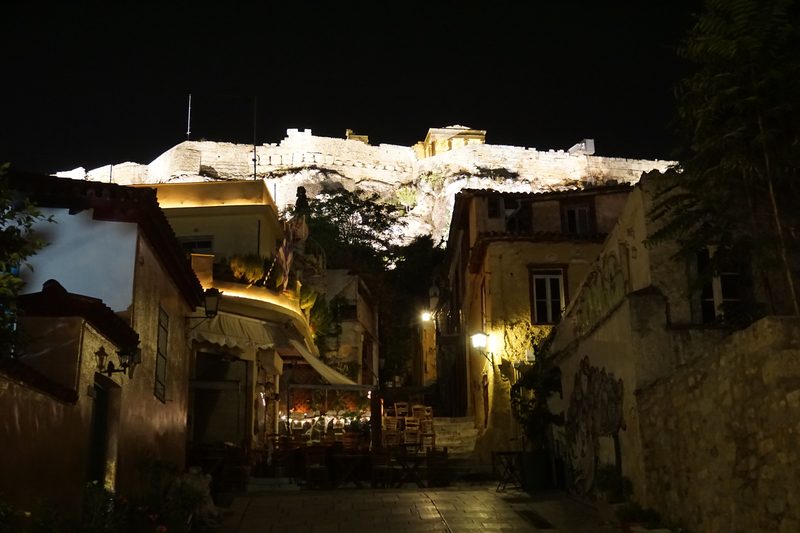
The tourist Athens of Plaka and Monastiraki occupies perhaps ten percent of the city center. The other ninety percent is a patchwork of residential neighborhoods, each with its own character, and most of them see almost no foreign visitors at all.
Koukaki, directly south of the Acropolis, has become one of the most desirable neighborhoods in Athens without becoming touristy. Veikou Street, the main artery, has a village-high-street feel: bakeries, fruit shops, a hardware store, excellent coffee roasters. The Acropolis looms above but the atmosphere is entirely local. Walk down from the Acropolis Museum along Makrygianni Street and you are in Koukaki within five minutes. Metro: Acropoli or Syngrou-Fix.
Petralona, west of Koukaki and tucked against the western slope of Filopappou Hill, is where Athenians go to eat without pretension. Slow-cooked dishes, grilled meats, mezedes plates meant for sharing, and carafes of house wine brought without ceremony. Troon Street and the blocks around it are the heart of the scene: tsipouro bars and ouzeries where you point at what the next table is having and nod. Metro: Petralona.
Pangrati occupies the gentle slope east of the Panathenaic Stadium. Plateia Varnava, the main square, is lined with cafes that fill with locals every evening. The neighborhood has a literary quality: independent bookshops, excellent bakeries, and a Saturday farmers' market on the square. The walk from the Temple of Olympian Zeus through the Mets neighborhood into Pangrati is one of the most pleasant urban strolls in the city, and almost no tourists take it. Metro: Evangelismos, then a 10-minute walk south.
Mets, the tiny neighborhood wedged between Pangrati and the Temple of Olympian Zeus, deserves a separate mention. It is barely six blocks in any direction, but its quiet, tree-lined streets and well-preserved neoclassical houses make it feel like a secret pocket of old Athens. The walk up Arditou Street, past the back entrance of the Panathenaic Stadium and the small church of Agia Fotini, leads to one of the most underappreciated views in the city: the stadium's marble seats seen from above, with the Acropolis behind them.
Kypseli, north of the center, represents Athens as Athenians actually experience it. Fokionos Negri, a long pedestrianized avenue shaded by plane trees, functions as an open-air living room: cafes, bars, small shops, and street musicians. The renovated Kypseli Municipal Market (1935 modernist building) operates as a community cultural space. Kypseli has a significant immigrant population, giving it a diversity of food, from West African to Syrian to Filipino, unique in Athens. Metro: Victoria.
Where Do Locals Actually Eat?
The fastest way to identify a tourist restaurant in Athens is the laminated photo menu on the sidewalk, the English-speaking host trying to wave you inside, and the EUR 15 moussaka. The fastest way to find where locals eat is to walk three blocks in any direction away from the Acropolis and look for the places with paper tablecloths, a chalkboard menu, and a television showing football in the corner.
Varvakios Agora (the Central Market) on Athinas Street is the sensory heart of Athens. The meat hall is not for the squeamish: whole carcasses hang from hooks, butchers shout across the aisles. The fish hall next door is equally intense. But tucked inside and around the market are some of the best cheap eating in the city: bowls of patsas (tripe soup) at dawn, souvlaki stands, and small tavernas that have not changed their menus in decades. Open Monday through Saturday, busiest in the morning. Metro: Omonia or Monastiraki.
Exarchia is where students and academics eat, and the prices reflect it. The mezedopolia (small-plate restaurants) on and around Plateia Exarchion serve generous portions at prices that feel like a time warp: a full spread of meze, bread, and a carafe of wine for two people can cost EUR 25-30. The neighborhood also has the best independently owned coffee shops in Athens, serving Greek-roasted beans rather than international chains. For our take on the neighborhood's reputation, see the Athens safety guide.
In Petralona, the dining experience is defined by the ouzeri and tsipouradiko tradition: you order a spirit (ouzo or tsipouro) and the food arrives as a series of small plates chosen by the kitchen or selected from a short menu. The emphasis is on the gathering, not the ordering. Troon Street and its side streets are the center of this scene. Go on a weeknight when the tables are full of neighborhood regulars rather than weekend visitors from other parts of Athens.
For a deeper dive into the local food scene, including guided options, see our Athens food tours guide. And if you are watching your budget, the Athens on a budget guide covers the cheapest quality eating in the city.
What Hidden Viewpoints Rival the Acropolis Views?
Areopagus Hill and the Acropolis itself are magnificent, but they are also packed with people. Athens is built on hills, and several of them offer views that are equally striking and far less contested.
Strefi Hill in Exarchia is the locals' viewpoint. At 155 metres, it is lower than Lycabettus but delivers a similar panorama: the Acropolis, the city grid stretching to the coast, and Lycabettus itself as a backdrop. The paths wind through scrubby greenery to a rough summit with a basketball court, a small open-air theatre that hosts free concerts in summer, and absolutely no tour groups. The hill has a slightly wild, unkempt character that matches the Exarchia neighborhood at its base. It is particularly good at sunset, when the light catches the Parthenon and the city turns gold. A twenty-minute walk from Victoria metro station.
Pnyx Hill is where the Athenian democratic assembly met from the 6th century BC onward. This is literally where democracy was invented. The carved stone speaker's platform (the bema) is still visible, and the western-facing slope catches the afternoon and evening light in a way that makes the Acropolis glow. Despite its historical importance, the Pnyx receives a fraction of the visitors that Areopagus Hill gets, even though the two are connected by a ten-minute path through the pine trees. It is shaded, quiet, and free at all hours.
The back side of Filopappou Hill is the approach that most visitors miss. The main path from Dionysiou Areopagitou Street is well-trodden, but the western and southern trails, accessible from Koukaki and Petralona, wind through pine forest with occasional clearings that frame the Acropolis perfectly. The Filopappos Monument at the summit (a 2nd-century AD Roman funerary monument) provides the classic postcard view, but the journey up through the quieter trails is where the real pleasure lies. Pack a simple picnic from a Koukaki bakery and find a flat rock.
Anafiotika does not offer a panoramic summit view, but the perspective is unique. This tiny cluster of Cycladic-style whitewashed houses clinging to the north face of the Acropolis rock gives you the sensation of being inside a Greek island village directly beneath the Parthenon. The views from the upper lanes, over the rooftops of Plaka to the modern city, are intimate rather than sweeping. Enter from the upper end of Stratonos Street.
What Secret Cultural Experiences Exist?
Athens has a cultural life that extends well beyond the Acropolis Museum and the National Archaeological Museum. Some of the most memorable experiences are the ones that happen at night, outdoors, or in repurposed industrial buildings.
Open-air cinema is an Athens summer institution that most tourists walk right past. Dozens of outdoor cinemas operate from May to September, screening English-language films with Greek subtitles under the night sky. Cine Thissio on Apostolou Pavlou Street has the Acropolis as its backdrop. The Parthenon glows above the screen, which is surreal and wonderful. Cine Paris on a Plaka rooftop offers a similar atmosphere. Cine Zefyros in Petralona is the local option: no Acropolis views, but a charming garden setting. Tickets typically EUR 8-9, screenings around 9:00 PM.
Rebetiko music is the Greek equivalent of the blues: raw, emotionally charged, born in the urban underclass of the 1920s. Live rebetiko is performed in small tavernas and dedicated venues, usually starting late (10:00 PM or later) and running into the early hours. The music is built around the bouzouki and vocals that range from mournful to defiant. Stoa Athanaton near the Central Market is one of the most famous venues. Smaller sessions happen in Psyrri and Exarchia bars. Check listings on the Athens Voice website. This is not background music for dinner. When the singer hits a particularly raw phrase, you will see Greeks close their eyes and nod in a way that transcends language.
The Sunday flea market at Avyssinias Square in Monastiraki is not exactly a secret, but arriving early is. By 8:00 AM on a Sunday, the square is spread with a chaotic assortment of secondhand goods: brass lamps, old records, vintage cameras, Ottoman-era coins, tools, and objects that defy categorization. By noon it becomes crowded and performative. The magic is in the first two hours, when the dealers are setting up and the buyers are genuine collectors.
Hammam bathing has a long history in Athens, dating to the Ottoman period. The tradition has been revived in modern form at Hammam Baths Athens (Melidoni 7, near Technopolis in Gazi), which offers a sequence of steam rooms, cold plunges, and massage in a beautifully restored space. It is one of those experiences that resets the body after days of walking on marble, and it is something that almost no tourist itinerary includes.
For museum options beyond the obvious, our best museums in Athens guide covers the full range.
What Hidden Day Trips Should You Know About?
The day trips that every Athens guidebook recommends (Delphi, Meteora, the islands of Hydra, Aegina, and Poros) are popular for good reason. But Attica and the nearby coastline hide a series of archaeological sites, natural landscapes, and small islands that receive a tiny fraction of those visitors and reward the effort of reaching them.
Ramnous is the most atmospheric archaeological site in Attica, and barely anyone goes there. This ancient fortress-sanctuary housed temples to Nemesis and Themis, perched on a hillside overlooking the strait to Evia. You may well have the entire site to yourself. There is no public transport. You need a car or taxi from Marathon. Full guide: Ramnous and the Temple of Nemesis.
Brauron (Vravrona), 35 kilometres east near the coast, was the sanctuary of Artemis where young Athenian girls participated in coming-of-age rituals known as the Arkteia. A well-preserved stoa, temple foundations, and a small museum sit in a marshy coastal valley surrounded by reeds and birdsong, entirely different from the dry, rocky sites closer to the city. See our Brauron guide.
Eleusis (Elefsina), just 20 kilometres west, was the site of the Eleusinian Mysteries: the most important religious rites in the ancient Greek world, celebrated continuously for nearly two thousand years. The site is surrounded by an industrial port town, which discourages some visitors, but the archaeological remains are substantial and the museum excellent. Reachable by suburban rail from Athens. Our full guide: Eleusis day trip.
Salamis Island is a thirty-minute ferry from Perama (near Piraeus) and the site of one of the most consequential naval battles in Western history: the Battle of Salamis in 480 BC. The island is not conventionally beautiful, but the historical resonance is immense, with a monastery, small museum, and local tavernas along the waterfront. Almost no tourists visit. See our Salamis guide.
Tatoi, the former royal estate 25 kilometres north of Athens, offers forest trails through pine and fir woodland past the crumbling neoclassical palace buildings. Recently opened to the public after decades of restricted access, the combination of royal history, mature forest, and mountain air makes it one of the best half-day escapes from the city. See our Tatoi guide.
Mount Penteli, just 15 kilometres northeast of Athens, is where the marble for the Parthenon was quarried 2,500 years ago. The ancient quarry faces are still visible on the mountainside, and hiking trails connect them through pine forest. It is an odd and wonderful feeling to stand next to the raw marble veins and look south to the building they created. Our guide: Mount Penteli hiking.
Agistri is the smallest and least-visited of the Saronic Gulf islands accessible from Piraeus, reachable in under an hour by hydrofoil. Where Aegina gets day-trippers and Hydra gets the Instagram crowd, Agistri gets almost nobody. Crystal-clear water, pine trees down to the shoreline, a couple of small villages, and a pace of life that feels like the Greece of thirty years ago. It is the antidote to Athens. See our Agistri guide.
For nature over ruins, the Mount Hymettus hiking guide covers the mountain forming Athens' eastern wall, and Schinias Beach is one of the finest stretches of sand in Attica. The Athens Riviera coastline and Cape Sounion are also worth exploring beyond the standard guidebook treatment, and Ancient Corinth sees far fewer visitors than Delphi despite equally impressive ruins. Our best day trips from Athens guide ranks all the options.
What Street Art and Creative Spaces Are Worth Finding?
Athens experienced an explosion of street art during and after the financial crisis of the 2010s. The city's walls became a canvas for political commentary, social criticism, and pure artistic expression. What began as an outlet for frustration has matured into one of the most significant urban art scenes in Europe.
Psyrri is the epicenter. Narrow streets and low-rise buildings provide a continuous gallery of murals, wheat-paste posters, stencils, and large-scale painted works, from photorealistic portraits to sharp political satire. Sarri Street and Protogenous Street have the highest concentration. Walk these streets by day, when the bars are closed, and you can actually study the work. Some pieces are by internationally known artists; others are anonymous and ephemeral, painted over within weeks.
Metaxourgeio, west of Omonia, was a working-class silk-factory district (the name means "silk workshop") that has been slowly reclaimed by artists and galleries. The streets have a rougher character than Psyrri, and the art reflects it. Look for INO's large-scale photorealistic works. The Municipal Gallery of Athens on Myllerou Street and several project spaces have established Metaxourgeio as the city's emerging gallery district. Metro: Metaxourgeio.
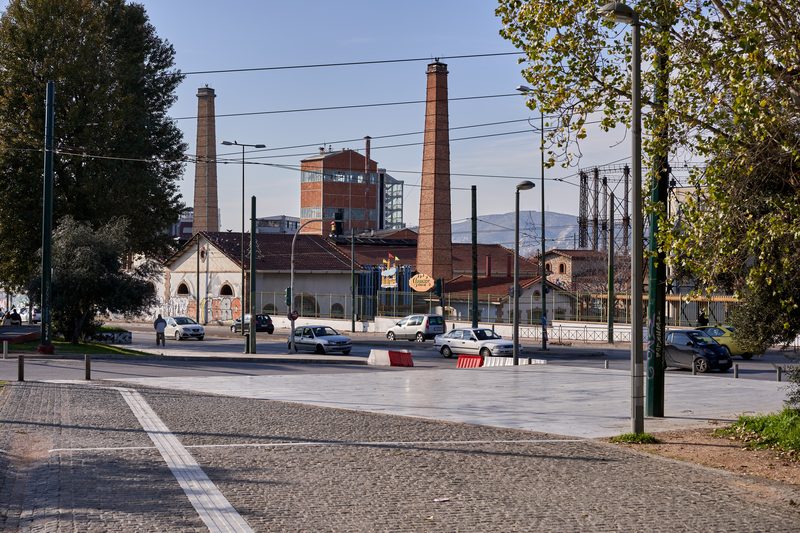
Technopolis in Gazi is a former gasworks from the 1860s converted into the city's premier cultural and events space. Brick chimneys, iron-framed halls, and gasometers now host art exhibitions, music festivals, and the annual Athens Jazz Festival. Free to enter during daytime hours, and the industrial architecture alone makes it worth the visit. Metro: Kerameikos.
Exarchia's street art is different in character from Psyrri and Metaxourgeio. Here, the line between art and political statement is deliberately blurred. Walls carry anarchist slogans alongside sophisticated murals, layered over decades of protest and counter-culture expression. It is messier, more confrontational, and more alive than the curated art in other neighborhoods. Walking through Exarchia is like reading a city's political diary written in spray paint.
How Do You Find Hidden Athens?
The hidden Athens is not behind locked doors. It is hidden in plain sight, obscured by the gravitational pull of the obvious. A few practical habits make the difference.
Walk the backstreets. Every neighborhood in this guide is reachable on foot from the historic center within fifteen to twenty minutes. Cross Ermou Street heading south from Monastiraki and you are in Psyrri. Walk south from the Acropolis Museum and you are in Koukaki. The transition does not require a map, just the willingness to keep walking when the souvenir shops end.
Eat where there is no English menu. If the menu has photographs, move on. If the waiter brings bread and water without being asked, you are probably in the right place. Many tavernas in Petralona, Pangrati, and Kypseli operate this way.
Avoid the Plaka main drag. Adrianou Street is a tourist corridor. Three metres to either side, the neighborhood is beautiful and full of character. Use Adrianou and Ermou Street as transit corridors, not destinations.
Visit on weekdays. The difference between a Monday morning and a Saturday afternoon at Kerameikos or the Central Market is the difference between a private experience and a crowded one. Save the hidden gems for weekday mornings.
Go out at night. Open-air cinemas, rebetiko tavernas, the energy of Psyrri and Exarchia. Much of what makes Athens distinctive only comes alive after dark. Athens eats late (9:00 PM is early) and the city after midnight has a character that daytime sightseeing cannot replicate.
Use the metro as a launchpad. Stations like Kerameikos, Petralona, Metaxourgeio, and Victoria drop you directly into local neighborhoods that feel miles from the Acropolis, even though they are a ten-minute ride away.
Athens has been continuously inhabited for over 3,400 years, and the version of the city that most tourists see barely scratches the surface. The hidden Athens is the one that locals wake up in every morning: the neighborhood bakery at 7:00 AM, the pine-shaded hill at sunset, the ouzeri where nobody speaks English and the food arrives without being ordered. It is all within walking distance. You just have to walk. For a structured approach, the five-day Athens itinerary builds in time for this kind of exploration.
Planning more adventures from the capital? Browse our complete guide to the best day trips from Athens.
Last updated: 1 October 2026