Athens is one of the cheapest capital cities in Western Europe to visit, with budget travellers spending EUR 45-55 per day and mid-range visitors getting by comfortably on EUR 80-100, roughly half what a comparable trip to Paris, Rome, or London would cost.
In this guide
Greece's capital offers something unusual for a major European city: genuinely cheap street food, affordable public transport, a walkable historic centre, and dozens of world-class archaeological sites that go free on certain days. The flip side is that plenty of places charge tourist prices, and an uninformed visitor can easily spend double what a prepared one does. This guide breaks down exactly what Athens costs in 2025-2026 and where the real savings are: from EUR 3 souvlaki wraps and EUR 1.20 metro tickets to free hilltop viewpoints and budget day trips reachable by public bus.
How Much Does Athens Cost Per Day?
It depends on how you travel, but Athens rewards budget-conscious visitors more than most European capitals. Here is a realistic breakdown across three spending levels:
| Category | Budget (EUR) | Mid-Range (EUR) | Comfortable (EUR) |
|---|---|---|---|
| Accommodation | 15-25 | 50-80 | 90-130 |
| Food | 15-20 | 25-35 | 40-55 |
| Transport | 2-4 | 4-8 | 8-15 |
| Sightseeing | 0-10 | 10-20 | 20-35 |
| Daily Total | 45-55 | 80-100 | 120-160 |
The budget tier assumes a hostel dorm, street food and bakeries, walking most places, and taking advantage of free sites. The mid-range tier is a private room in a budget hotel or Airbnb, a mix of tavernas and souvlaki, a metro pass, and entrance to the main archaeological sites. Our five-day Athens itinerary shows how to balance these spending levels across a longer stay. The comfortable tier adds a decent 3-star hotel, sit-down restaurant meals, and guided tours or museum entries.
For context, BudgetYourTrip data puts the average daily spend in Athens around EUR 70-75 for a backpacker. That figure includes visitors who eat in Plaka tourist restaurants and take taxis, both easily avoidable.
How Can You Save on Accommodation?
Accommodation is the single biggest variable in an Athens budget, and the one where timing and neighbourhood choice make the most difference.
Hostels remain the cheapest option. Dorm beds in central Athens run EUR 15-25 per night in summer and EUR 10-18 in the quieter months. Athens has a solid hostel scene concentrated around Monastiraki, Psyrri, and Metaxourgio, with well-reviewed options like AthenStyle, City Circus, and Bedbox. Private rooms in hostels typically cost EUR 40-60.
Budget hotels and guesthouses in the EUR 40-70 range are plentiful, particularly in Koukaki (south of the Acropolis, walking distance to everything), Psyrri (nightlife and food), and Metaxourgio (up-and-coming, lower prices). These neighbourhoods offer genuine Athens character without the Plaka price premium.
Airbnb and short-term rentals can be excellent value for couples or small groups, especially for stays of three nights or more. A studio apartment in Koukaki or Pangrati goes for EUR 35-55 per night outside peak season, with the added benefit of a kitchen for preparing some meals.
The season matters enormously. Shoulder season (late March through May, and October through mid-November) typically runs 30-40% cheaper than peak summer. Low season (November through March) can slash prices by 50% or more: a EUR 80 summer hotel might go for EUR 35-45 in January. The trade-off is shorter daylight hours and cooler weather, though Athens rarely drops below 10 degrees even in winter.
Neighbourhood tip: Avoid booking in Plaka or Syntagma Square unless you find a deal. These central-tourist areas charge a 30-50% premium for the same quality you will find five minutes away on foot. Koukaki and Makrigianni put you within walking distance of the Acropolis at local prices. Exarchia offers the cheapest rooms in the centre but has a grittier atmosphere. Read about the neighbourhood dynamics in our safety guide before booking there.
Where Should You Eat on a Budget?
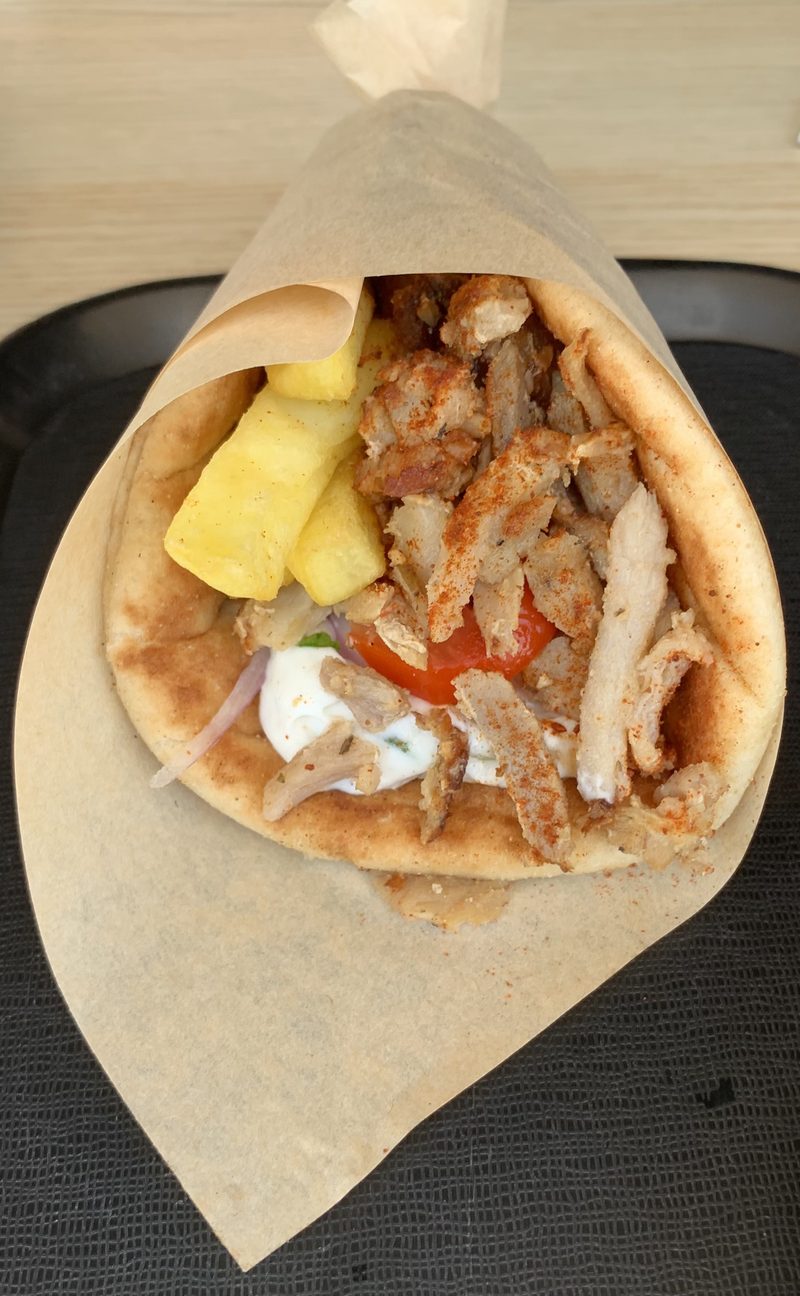
Athens is arguably the best city in Europe for eating well on very little money. The Greek tradition of affordable, filling street food is alive and well, even as inflation has nudged prices up.
Souvlaki is the cornerstone of budget eating in Athens. A pita wrap stuffed with grilled meat (pork, chicken, or lamb), tomatoes, onions, and tzatziki costs EUR 3-4 at most central locations. In less touristy spots like Metaxourgio or Kypseli, you can still find wraps for EUR 2.50-3. For sit-down souvlaki with sides (chips, salad, bread), expect EUR 8-12. The key chains and local favourites (Kostas in Syntagma Square, Thanasis on Monastiraki Square, Savvas nearby, O Kostas tou Psyrri) all serve enormous portions at reasonable prices.
Bakeries (fourno) are everywhere and absurdly cheap. A tiropita (cheese pie) or spanakopita (spinach pie) costs EUR 1.50-2.50 and makes a filling breakfast or snack. Koulouri (sesame bread rings) from street vendors are EUR 0.50-1. Many bakeries also sell slices of pizza-style flatbread, sandwiches, and cakes for under EUR 3.
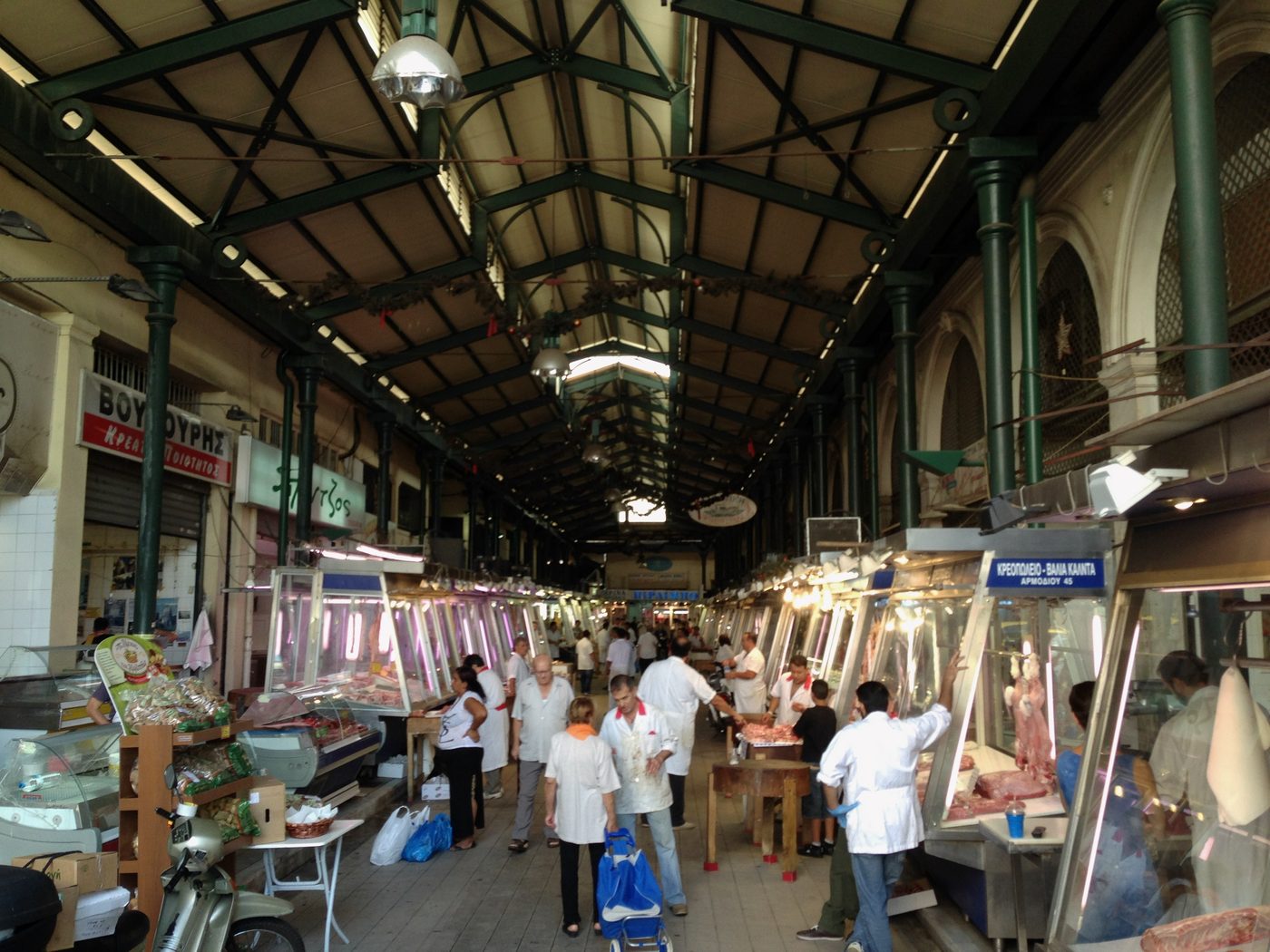
The Central Market (Varvakeios Agora) near Monastiraki is both a cultural experience and a budget eating destination. For a guided introduction to the local food scene, see our Athens food tours guide. The small restaurants inside the meat hall serve traditional dishes at EUR 5-8 per plate: patsas (tripe soup), grilled fish, bean stews. It is loud, chaotic, and entirely unpretentious. Head upstairs to the fish market side for grilled seafood at prices that would be unthinkable in a tourist restaurant.
Tavernas vary wildly in price depending on location. A taverna in Plaka's pedestrian streets might charge EUR 15-20 for a basic main course and house salad. Walk ten minutes south to Koukaki or Pangrati, and the same meal costs EUR 8-12. The rule of thumb: if there is a laminated menu with photos in four languages, you are paying a tourist premium. If the menu is handwritten in Greek (most places will translate for you), you are probably eating better food for less money.
Practical tips for eating cheap:
- Lunch specials. Many tavernas offer a "menu of the day" (piato tis imeras) at lunch for EUR 6-8, including a main course and sometimes a side or drink.
- Shared plates. Greek dining works well for sharing. Order two or three small dishes (meze) between two people instead of individual main courses. A shared meal of gigantes (baked beans), grilled halloumi, a Greek salad, and bread easily feeds two for EUR 12-15 total.
- Water is free. Restaurants must provide tap water on request at no charge. Athens tap water is safe to drink (it comes from a mountain reservoir), so skip the bottled water entirely. Carry a reusable bottle.
- Coffee culture. Freddo espresso or freddo cappuccino (iced, shaken) is the local standard. It costs EUR 2-3.50 at most cafes, less at kiosks. Avoid the international chains, which charge more for the same caffeine.
- Supermarkets. A Sklavenitis, AB Vassilopoulos, or Lidl run for bread, cheese, olives, fruit, and a bottle of wine can feed two for an evening for under EUR 10. Greek supermarket wine at EUR 3-5 is surprisingly drinkable.
How Do You Save on Transport?
Athens has efficient, cheap public transport, and the city centre is compact enough that walking handles most of it.
Walking is free and often fastest. Our self-guided walking tour covers the best route through the historic triangle. The historic triangle of the Acropolis, Plaka, Monastiraki, Syntagma, and Psyrri is entirely walkable. The Acropolis to Syntagma is a 15-minute stroll. Monastiraki to the National Archaeological Museum is about 25 minutes on foot. Most visitors find they only need public transport for the airport transfer, reaching Piraeus port, or getting to further-flung destinations.
The metro is excellent value. A single 90-minute ticket covering all buses, trams, trolleybuses, and metro lines (except the airport) costs just EUR 1.20. If you plan to use transport more than three times in a day, the 24-hour pass at EUR 4.10 is better value. For longer stays, the 5-day pass at EUR 8.20 is hard to beat. That is EUR 1.64 per day for unlimited urban transport. Full details on routes, lines, and stations are in our Athens Metro Guide.
Contactless payment (Tap2Ride) simplifies everything. Since January 2025, you can tap a Visa or Mastercard (including Apple Pay and Google Pay) directly at metro gates and bus validators. The system caps daily spending at EUR 4.10 for urban travel, so you never need to think about which pass to buy. Just tap and go.
The 3-day tourist ticket at EUR 20 includes unlimited urban transport plus two airport metro trips (normally EUR 9 each). If you are arriving and departing by metro, this saves EUR 2 over buying an airport ticket plus a 5-day pass, and it covers three days of unlimited travel. Do the maths based on your itinerary.
Getting from the airport: The most expensive way in is the airport taxi at EUR 50 (daytime) or EUR 65 (after midnight). The X95 express bus to Syntagma runs 24 hours a day and costs EUR 5.50. The metro costs EUR 9 and takes about 40 minutes. For two people, the bus saves EUR 39 over a taxi; for three or four people, a taxi starts to make sense per person. Full details in our airport transfer guide.
For day trips by ferry, take the metro to Piraeus (EUR 1.20, included in your day pass) rather than a taxi. Line 1 (Green) runs directly to Piraeus port in about 25 minutes from Monastiraki. For Rafina port (ferries to some Cycladic islands), the KTEL bus from Pedion Areos costs around EUR 3.
What Can You See for Free?
Athens has more free world-class sightseeing than almost any European capital. The biggest mistake budget visitors make is assuming everything requires a ticket.
Always free:
- Areopagus Hill (Mars Hill). The rocky outcrop directly below the Acropolis entrance with panoramic views over the Ancient Agora and the city. This is arguably the best sunset viewpoint in Athens, and it costs nothing.
- Filopappou Hill. A wooded hill south of the Acropolis with walking paths, the Filopappos Monument, and views across to the Parthenon and out to the sea. Peaceful and uncrowded even in peak season.
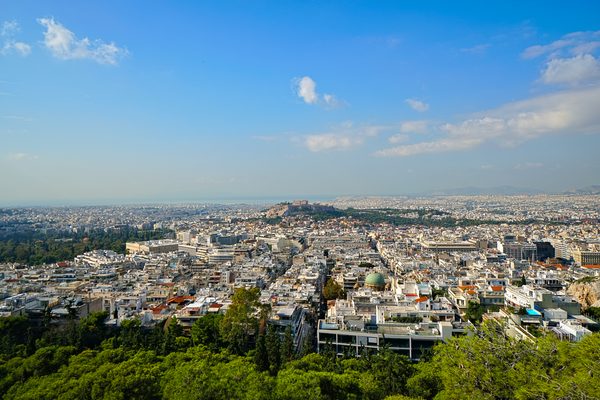
- Lycabettus Hill. The highest point in central Athens (277 metres). The hike up takes about 30 minutes from Kolonaki and rewards you with a 360-degree panorama. The funicular costs EUR 10 return, but the footpath is free and more scenic.
- National Garden. 15 hectares of green space behind the Parliament building. Shaded paths, a small (free) zoo, duck ponds, and a welcome retreat from summer heat.
- Syntagma Square and the Changing of the Guard. The Evzones ceremony happens every hour, with the full ceremonial version on Sundays at 11:00.
- Anafiotika. A tiny whitewashed neighbourhood tucked into the north slope of the Acropolis, built by workers from the Cycladic island of Anafi in the 1800s. It looks like an island village and takes fifteen minutes to explore.
- Monastiraki Flea Market. Browse antiques, vinyl, and junk in the streets around Avyssinias Square. Sunday mornings are the most lively.
- Stavros Niarchos Foundation Cultural Centre. Renzo Piano-designed complex in Kallithea with free entry to the park, gardens, and public spaces. Regular free events, screenings, and exhibitions.
- Ermou Street and Plaka. Window shopping and people watching through Athens' main commercial and historic pedestrian zones.
Free on specific days:
Greek state-run museums and archaeological sites offer free admission on the first and third Sundays of every month from November through March. This includes the Acropolis, the Ancient Agora, the Roman Agora, the Temple of Olympian Zeus, Kerameikos, and more. Other free days include March 6 (in memory of Melina Mercouri), October 28 (Ochi Day), and the last weekend of September (European Heritage Days). EU citizens under 25 get free entry to all state sites year-round.
The Acropolis Museum has a reduced winter admission of EUR 5 (November through March, versus EUR 15 in summer) and is free on March 25 (Greek Independence Day) and October 28.
If you time a winter visit to land on a first or third Sunday of the month, you can see the Acropolis, the Ancient Agora, the Temple of Zeus, and Kerameikos without paying a single euro in entrance fees.
What Are the Cheapest Day Trips From Athens?
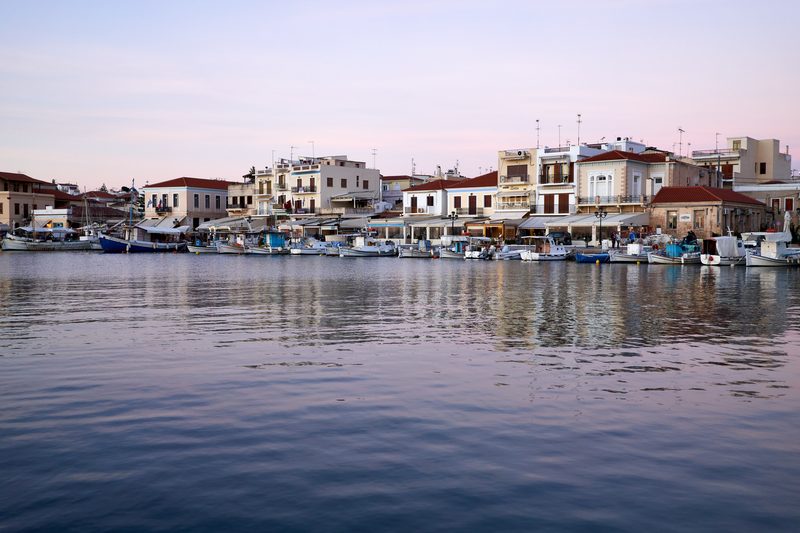
Day trips are where budget planning makes the biggest difference. An organised coach tour to Delphi might cost EUR 80-100 per person; the same trip by public bus costs under EUR 40 including the site entrance. Here are the best day trips ranked by total budget, cheapest first.
1. Mount Hymettus or Mount Penteli: Free
The mountains ringing Athens offer genuine hiking with zero cost. Mount Hymettus rises directly east of the city, reachable by city bus, with trails through pine forest and views across the Attic plain to the sea. Mount Penteli to the northeast offers marble quarry trails (the stone that built the Parthenon came from here) and cool forest walks. Both are half-day outings using regular transit.
2. Athens Riviera Beaches: EUR 2-5
The Athens Riviera coastline stretches south from Faliro to Vouliagmeni, all reachable by tram (EUR 1.20) or bus. Free public beaches exist at Kavouri, Alimos, and Glyfada, though some organised beaches charge EUR 5-10 for sunbed hire. Pack a towel and snacks and the day costs almost nothing.
3. Marathon Battlefield: EUR 5-10
The Marathon battlefield where 10,000 Athenians defeated the Persian army in 490 BC is reachable by KTEL bus from Pedion Areos for around EUR 4-5 each way. The burial mound (Tumulus) is free to visit. The on-site museum costs EUR 5 (free on the first and third Sundays November-March). Total budget: EUR 10-16 for a deeply memorable history trip. Combine it with Schinias Beach for a swim on the way back.
4. Aegina Island: EUR 20-30
Aegina is the most budget-friendly Greek island day trip. The regular ferry from Piraeus costs EUR 9-10 each way (40 minutes slower than the EUR 15 flying dolphin, but half the price). On the island, the Temple of Aphaia costs EUR 10 (one of the best-preserved ancient temples in Greece), and a waterfront lunch of fresh fish runs EUR 8-12. Take the metro to Piraeus (EUR 1.20) and you are looking at EUR 40-45 total for a proper island day out.
5. Ancient Corinth: EUR 30-35
Ancient Corinth is reachable by KTEL bus from Kifissos Terminal for around EUR 9 each way, or by suburban rail to modern Corinth (EUR 8-10 one-way) plus a short local bus. The archaeological site costs EUR 15 and includes the excellent on-site museum. A focused half-day trip leaves time to stop at the Corinth Canal viewpoint on the way.
6. Eleusis: EUR 10-15
Eleusis (Elefsina), site of the ancient Mysteries, is just 20 kilometres west of Athens and reachable by city bus for EUR 1.20. The archaeological site costs EUR 10. This is one of the most underrated ancient sites near Athens and can be combined with a waterfront lunch in the harbour area.
7. Cape Sounion: EUR 20-25
The Temple of Poseidon at Cape Sounion stands on a cliff above the Aegean, 70 kilometres south of Athens. The KTEL bus from Pedion Areos costs around EUR 7 each way along a scenic coastal road. Site entrance is EUR 10. Time it for late afternoon to catch one of the most photographed sunsets in Greece.
8. Delphi: EUR 40-50
Delphi is the most popular day trip from Athens and a UNESCO World Heritage Site. The KTEL bus from Liosion Terminal costs EUR 17-18 each way (about 2.5-3 hours). The combined archaeological site and museum ticket costs EUR 12. The trip is long but doable in a day. Total transport plus entrance: EUR 46-48. An organised tour costs EUR 80-100 but saves the hassle of navigating bus schedules.
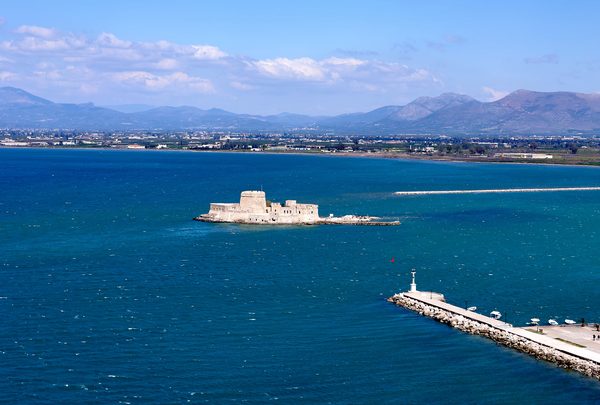
9. Nafplio and Mycenae: EUR 35-45
A KTEL bus from Kifissos Terminal to Nafplio costs around EUR 15 each way. The town itself is free to explore (Venetian fortress, old town, waterfront). Mycenae, 25 kilometres north, requires a separate bus or taxi (around EUR 15-20 for a taxi shared among a group). The Mycenae site costs EUR 20. This trip is tight as a day outing by public transport; it works best as an overnight or with a rental car.
10. Agistri Island: EUR 25-35
Tiny Agistri is one stop past Aegina on the ferry route, with regular boats costing EUR 13-14 from Piraeus. It has clear-water beaches, pine forests, and almost no tourist infrastructure. Bring a picnic. Transport and a simple lunch keep the day under EUR 35.
For a fuller list of options, see our complete guide to the best day trips from Athens. The Saronic islands, Hydra in particular, also offer excellent value. Families should also check our day trips with kids guide, which flags which destinations work well for younger travellers.
When Is the Cheapest Time to Visit?
Athens is a year-round destination, but the price difference between seasons is dramatic.
Low season (November through March) offers the steepest savings. Hotel prices drop 40-60% from their summer peaks. Flights from European hubs can be 50% cheaper. Major sites are blissfully uncrowded. You might have the Acropolis nearly to yourself on a Tuesday morning in January. The trade-off is shorter days (sunset around 17:30 in December versus 21:00 in June), occasional rain, and temperatures of 8-15 degrees. But Athens does not get harsh winters; snow is rare and most days are clear and sunny.
Shoulder season (late March through May, and October through mid-November) is the sweet spot for most visitors. Prices run 20-40% below peak summer, the weather is warm without being oppressive (18-28 degrees), and the crowds are manageable. April and May are particularly good: wildflowers are in bloom, outdoor cafes are open, and the sea is just warm enough for swimming by late May.
Peak season (June through September) is the most expensive and, frankly, the least comfortable for budget travellers. Temperatures regularly hit 35-40 degrees in July and August, making daytime sightseeing exhausting. Accommodation prices peak, ferries fill up, and every tourist site has long queues. If you must visit in summer, aim for June or September when prices are slightly lower and heat less brutal.
Watch out for Greek Easter (dates shift annually, so check the Orthodox calendar). The week around Easter sees price spikes despite technically falling in shoulder season, as it is the biggest Greek holiday and domestic travel surges.
For a deeper dive on weather, crowds, and seasonal pros and cons, see our best time to visit Athens guide.
What Budget Mistakes Should You Avoid?
Even in an affordable city, a few habits can double your daily spend. Here are the most common ones:
Eating on the main Plaka pedestrian streets. The restaurants lining Adrianou and Kydathineon streets target tourists with laminated multilingual menus and persistent touts. Prices run 30-50% higher than equivalent tavernas a few blocks away in Psyrri, Koukaki, or Pangrati. The food quality is often worse, too. Walk five minutes in any direction away from the Acropolis and your money goes further.
Taking a taxi from the airport. At EUR 50 (daytime) or EUR 65 (night), the airport taxi is one of the most expensive single transport costs in Athens. The X95 bus to Syntagma costs EUR 5.50 and runs around the clock. The metro costs EUR 9. For a solo traveller, the bus saves EUR 44.50. For two people, the metro still saves EUR 32. Only consider a taxi if you are a group of three or more with heavy luggage arriving late at night.
Buying bottled water. Athens tap water comes from the Mornos reservoir in the mountains, is perfectly safe to drink, and tastes fine. Buying EUR 0.50-1 bottles multiple times a day adds up over a week. Bring a reusable bottle and refill it from any tap. Restaurants are legally required to serve tap water free on request.
Ignoring free museum days. If your dates have any flexibility, plan around the first or third Sunday of the month between November and March, when all state-run archaeological sites and museums are free. This saves EUR 30 on the Acropolis alone. EU citizens under 25 should always carry ID. Free entry applies to them year-round.
Booking organised tours for places you can easily reach by bus. Delphi, Sounion, Marathon, and Corinth are all straightforward day trips by public KTEL bus. Organised tours charge EUR 80-120 for what costs EUR 35-50 independently. The bus experience is also more authentic. You see how Greeks actually travel. That said, Meteora is one destination where a tour can make sense, because the monasteries are spread across a wide area with limited local transport.
Overpaying for the Acropolis. The standalone Acropolis ticket costs EUR 20. Until April 2025, a combined ticket covering seven sites for EUR 30 was available, but this has been discontinued. Check the current ticketing options before visiting. The pricing structure changes periodically. If you plan to visit multiple archaeological sites, do the maths on individual tickets versus any available combination offers.
Skipping Koukaki and Pangrati for dinner. These two neighbourhoods, both within a 15-minute walk of the Acropolis, are where Athenians actually eat out. A full taverna meal with wine costs EUR 10-15 per person. The quality-to-price ratio is vastly better than anything in the tourist core.
Not using Tap2Ride. Since January 2025, the contactless payment system on Athens transport caps urban travel at EUR 4.10 per day. There is no need to queue for tickets, figure out which pass to buy, or dig for coins. Just tap your bank card or phone at every gate and validator. The system sorts out the cheapest fare automatically.
Athens rewards the prepared budget traveller like few European capitals can: EUR 3 souvlaki, EUR 1.20 metro rides, free hilltop sunsets, and island day trips for under EUR 30 make it possible to experience one of the world's great cities without watching every cent.
Planning more adventures from the capital? Browse our complete guide to the best day trips from Athens.
Last updated: 1 October 2026