Most Athens food tours run 3-4 hours, cost 55-90 EUR per person, and pack in enough tastings to replace a meal: souvlaki, koulouri, loukoumades, Greek cheeses, olives, and market finds you'd never spot alone. Street food tours sit at the cheap end (from around 55 EUR); semi-private and evening food-and-wine tours run 100-150 EUR. This guide breaks down the tour types, what you actually eat, and whether they're worth the money.
In this guide
Greek food goes far beyond moussaka and souvlaki. Athens has a layered food culture shaped by Ottoman, Middle Eastern, and Mediterranean influences, with regional specialities from across Greece converging in the capital's markets, bakeries, and tavernas. A good food tour gives you context, access, and tastings that would take days to piece together on your own, and it's a day trip into a side of Athens most tourists miss, without ever leaving the city.
What Do You Eat on an Athens Food Tour?
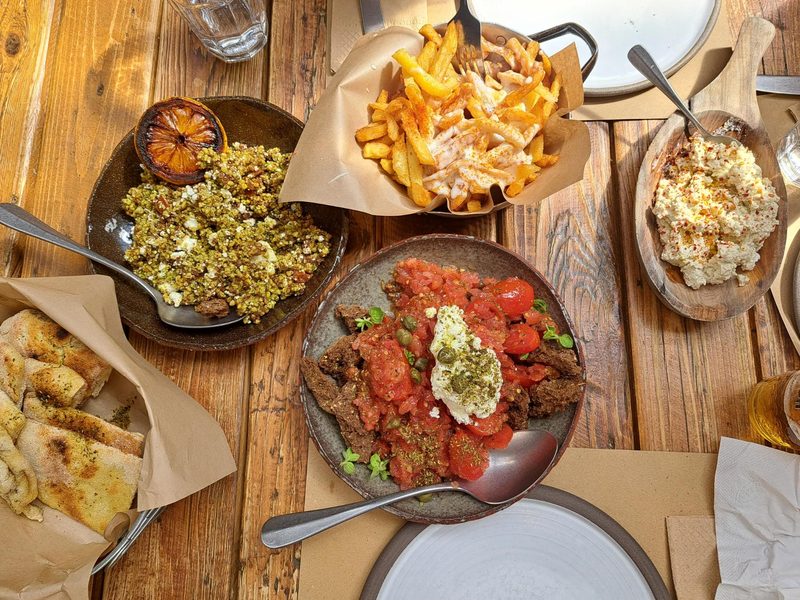
The tastings are the whole point, and a well-run tour will move you through savoury, street, and sweet before you've realised it's become lunch. Expect most of these:
- Koulouri. Sesame bread rings. The Athens street snack, sold from carts on every corner.
- Tyropita and spanakopita. Cheese pie and spinach pie. Quality varies enormously; a food tour finds the good stuff.
- Souvlaki. The Athens version: meat on a skewer or in a pita wrap with tomato, onion, and tzatziki. The debate over the city's best souvlaki is endless and passionate.
- Loukoumades. Deep-fried dough balls soaked in honey and cinnamon. Hot, crispy, addictive.
- Greek cheeses. Beyond feta: graviera (hard, nutty), myzithra (soft, fresh), and kasseri (semi-hard, buttery).
- Olives. Dozens of varieties. Kalamata is famous, but try Amfissa (purple, meaty) and Thassos (wrinkled, oil-cured).
- Meze. Small shared dishes: tzatziki, taramasalata (fish roe dip), melitzanosalata (aubergine dip), dolmades (stuffed vine leaves), grilled octopus.
- Greek sweets. Baklava, galaktoboureko (custard pastry), halva, pasteli (sesame and honey bars), spoon sweets (fruit preserved in syrup).
- Greek coffee. Thick, strong, served in a small cup with the grounds. Ordered sketo (no sugar), metrio (medium), or glyka (sweet).
Come hungry. Most tours provide enough food across the stops for a full meal, so skip breakfast or eat something very light beforehand.
What Types of Athens Food Tours Are There?
There are four broad formats, plus cooking classes. They overlap (a walking food tour usually hits a market; a street food tour is a leaner version of the same idea), but the emphasis and price differ enough to matter when you're choosing.
| Tour type | Typical length | Price (EUR) | What it's built around | Best for |
|---|---|---|---|---|
| Street food tour | 2.5-3.5 hrs | 55-70 | Souvlaki, koulouri, bakeries, grazing on the move | Value; a fast, tasty intro |
| Market tour | 3-4 hrs | 60-85 | Central Market halls, spice and deli shops, tastings | Ingredient-lovers, home cooks |
| Walking food tour | 3-4 hrs | 65-90 | 6-10 stops across a neighbourhood, meal's worth of food | First-timers wanting the full picture |
| Evening food & wine | 3.5-4 hrs | 70-150 | Meze bars, dinner, Greek wine, livelier atmosphere | A relaxed night out, couples |
| Cooking class | Half/full day | 80-120 | Market shop, then cook and eat 4-6 dishes | Taking the skills home |
The walking food tour is the most popular format and the safest default: a guide leads you to 6-10 spots for tastings and explanations while you eat as you walk. Street food tours trim that to the classics for less money and less time. Market tours go deeper on the Central Market and the deli and spice trade around it. Evening tours swap markets (closed by then) for meze bars and a sit-down component, and this is where wine takes centre stage. Some are as much wine tastings as food tours.
How Much Do Athens Food Tours Cost?
For a standard group walking or street food tour, budget 55-90 EUR per person, which includes all tastings and often a glass of wine or ouzo. That's the range most visitors will pay.
Prices climb from there with exclusivity and drink: semi-private and premium food-and-wine tours run 100-150 EUR, and a dedicated Greek wine tasting with a sommelier can be found from around 38 EUR if food isn't the focus. Cooking classes land at 80-120 EUR because you're paying for ingredients, a kitchen, and a couple of hours of instruction.
Is that a lot? Per hour, no: you're getting a meal's worth of food, drinks, and a local guide for roughly what a sit-down dinner for two costs. But it is real money, and if you're watching every euro, our Athens on a budget guide shows how to eat brilliantly here for a fraction of it. A tour buys you access and context, not cheaper food.
Where Do Athens Food Tours Go?
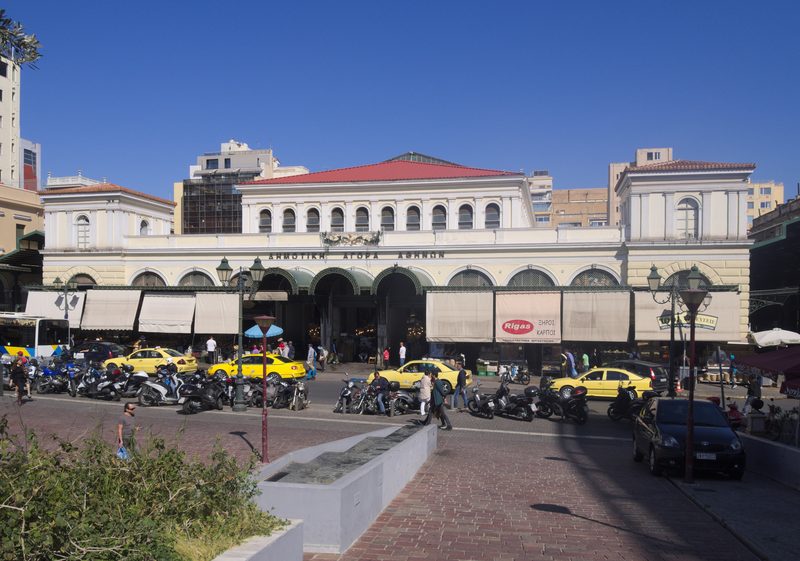
Nearly every tour orbits the same food heartland in the city centre.
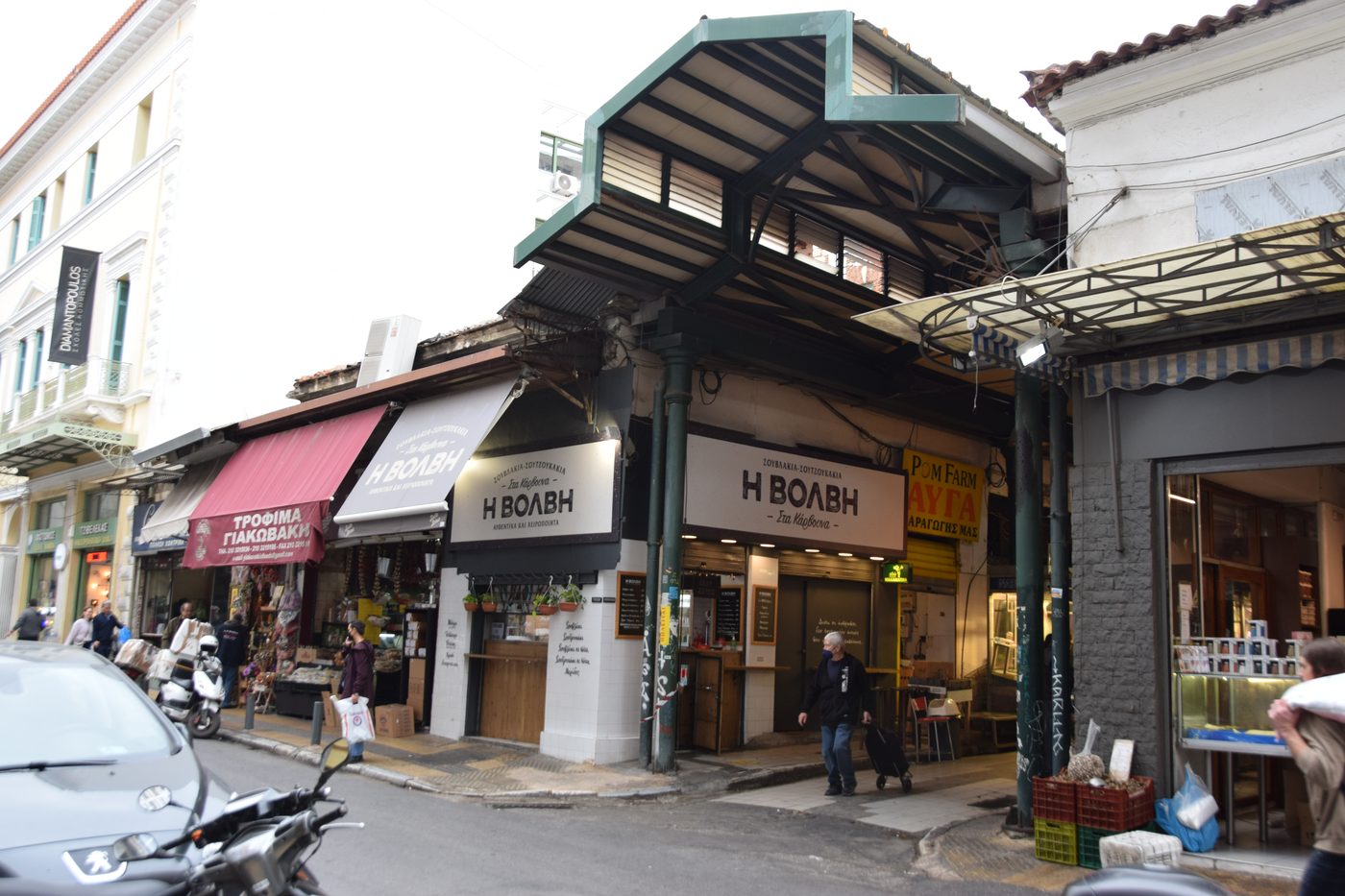
The Central Market (Varvakeios Agora) is the beating heart of Athenian food, a covered market near Monastiraki selling meat, fish, cheese, olives, spices, and dried goods. It's noisy, aromatic, and visually intense, especially the meat and fish halls. It's open Monday to Saturday, roughly 07:00-15:00, and best in the morning, which is why market-focused tours start early.
Psyrri and Monastiraki form the old commercial district, now a mix of traditional workshops, spice merchants, meze bars, and some of the city's best street food. Plaka and Anafiotika, the touristy old town below the Acropolis, tend to feature for traditional sweets and atmosphere. Koukaki, a residential neighbourhood south of the Acropolis, has a growing food scene without the tourist markup, and the more interesting tours sometimes include it. A few venture into Exarchia, the grittier, ungentrified quarter north of the centre known for cheap and ethnic eats; others deliberately avoid it.
If you'd rather see the city's monuments the same way, a self-guided walking tour of the historic centre pairs naturally with a food afternoon.
Street Food Tour or Sit-Down Tour: Which Is Better?
This is the choice most people are really weighing, and it comes down to pace and appetite.
A street food tour keeps you moving: souvlaki counters, bakeries, a loukoumades stop, grazing as you go. It's cheaper, faster, more energetic, and better if you want to cover ground and don't mind eating standing up. It's the better daytime pick and the stronger value.
A sit-down or evening tour slows things down: fewer stops, more time at the table, meze plates shared over wine, and usually a proper dinner component. It costs more and covers less street, but it's the more sociable, relaxed experience, the better choice for couples, for a special night, or if standing and grazing for three hours doesn't appeal.
Neither is objectively better. Pick street food if you're curious and hungry; pick sit-down if you want to linger.
Are Athens Food Tours Worth It?
Yes, for most first-time visitors, with one caveat.
What you're paying for isn't the food. Athens street food is cheap enough to graze on all day for 25-40 EUR. You're paying for a local guide who knows which bakery does the real spanakopita, can explain what you're eating and why it matters, and gets you into the Central Market and backstreet spots with confidence instead of hesitation. On a short trip, that's a fast, enjoyable way to understand the food culture and get your bearings for the rest of your stay.
The caveat: if you're a confident, curious traveller who enjoys wandering and pointing at things until something delicious happens, you may not need one. Athens is unusually easy and rewarding to eat your way through independently. A food tour is best value early in a longer trip, or for anyone who wants the context and access more than the calories.
How Do You Book an Athens Food Tour?
- Book at least a few days ahead. Popular tours fill up, especially in season, and small-group ones sell out first.
- Match the time to the tour. Morning for markets (the Central Market winds down by early afternoon); evening for meze, wine, and atmosphere.
- Wear comfortable shoes. You'll walk 3-5 km over 3-4 hours on uneven streets.
- Flag dietary needs in advance. Vegetarian is easy in Greek cuisine; vegan and gluten-free are manageable with notice.
- Tip your guide if it was good: 5-10 EUR per person is standard.
- Read recent reviews before booking. Quality varies between operators and even between guides. Established names like Athens Food on Foot and Culinary Backstreets Athens have long track records, and the major platforms (GetYourGuide, Viator) list a wide range of small-group and semi-private options. See the tours below for current picks and prices.
Can You Do a Self-Guided Food Tour?
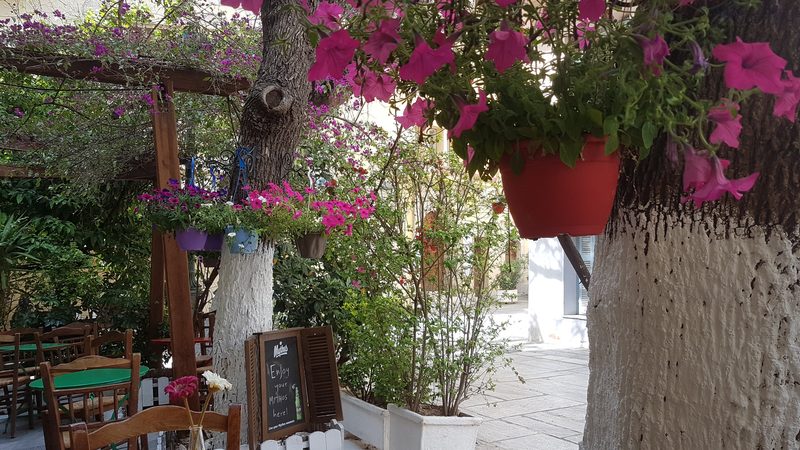
Absolutely, and it's a genuinely good day if you'd rather explore on your own:
- Start at the Central Market (07:00-09:00 for the best atmosphere).
- Coffee at a traditional kafeneio in Psyrri.
- Loukoumades at a specialist shop (several on Aiolou Street).
- Browse the spice shops on Evripidou Street.
- Lunch at a Psyrri meze spot. Order 4-5 small plates and a carafe of house wine.
- Afternoon sweet at a zacharoplasteio (pastry shop) in Monastiraki.
- Evening souvlaki. Join the locals at a counter shop.
Total cost: 25-40 EUR if you graze sensibly, less than a guided tour, but without the commentary and insider access.
Athens food tours typically run 3-4 hours and cost 55-90 EUR per person including all tastings, with premium and evening food-and-wine tours reaching 100-150 EUR. Book in advance, especially in summer, and come hungry.
Planning more adventures from the capital? Browse our complete guide to the best day trips from Athens.
Last updated: 28 July 2026