Athens is a year-round destination, but the best day trip for you depends entirely on when you're visiting. Summer heat rules out exposed archaeological sites at midday, winter closes mountain roads, spring transforms the landscape, and autumn offers the clearest skies. Here's what works best in each season, and what to avoid.
In this guide
Greece's climate is more varied than most visitors expect. Coastal areas stay mild year-round, but the mountains get genuine winter weather. Islands have different conditions from the mainland. And the difference between a 40C August afternoon at an exposed ruin and a breezy 22C May morning at the same site is the difference between misery and magic.
Spring (March - May)
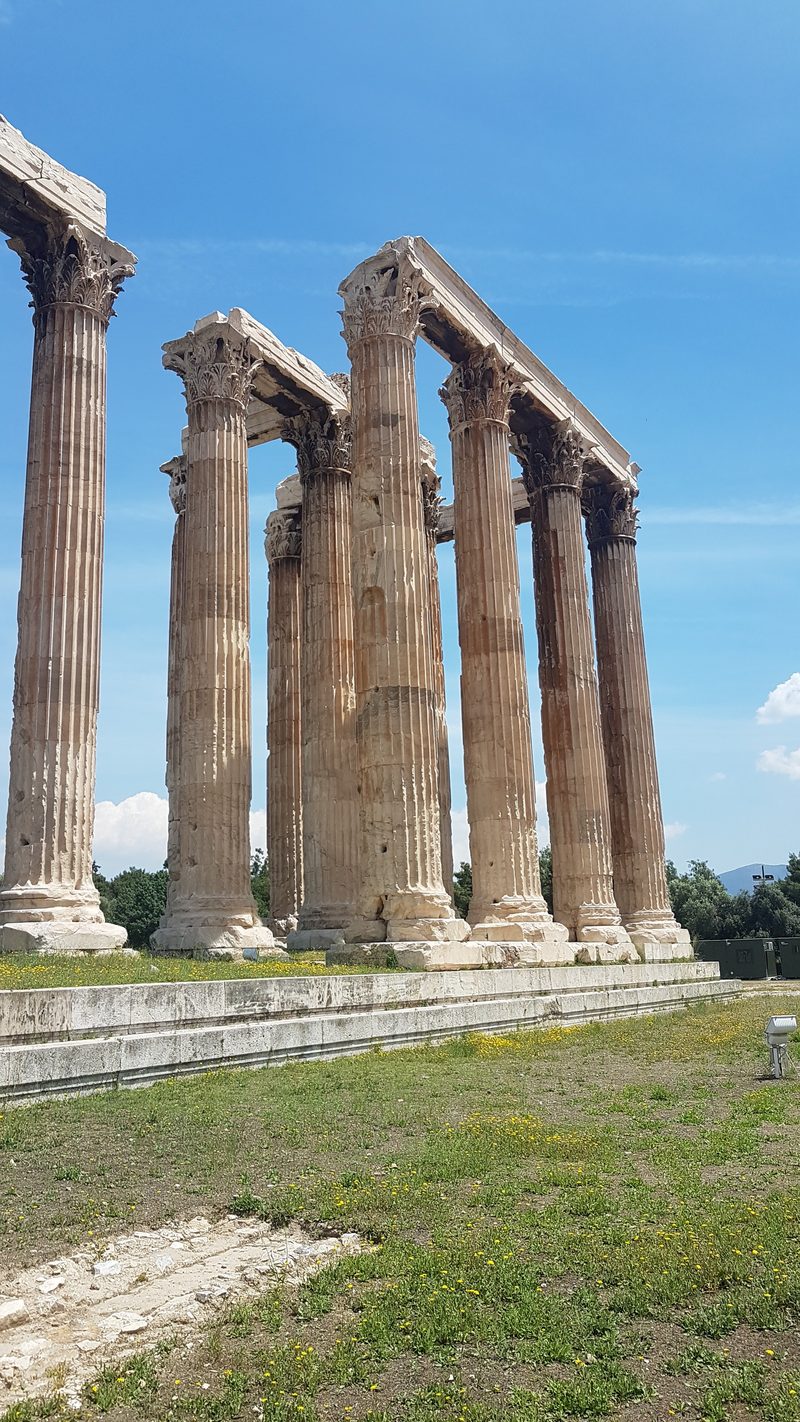
The best season for day trips from Athens, full stop. Mild temperatures (15-25C), green landscapes, wildflowers, flowing rivers, and manageable crowds. If you can choose when to visit, choose spring.
Top Picks for Spring
Delphi. The sanctuary looks its best when the hillside is green and the valley below is lush. Temperatures are comfortable for the uphill walk through the site. The stadium at the top, brutal in summer heat, is pleasant in spring.
Mount Parnitha or Mount Penteli. The hiking mountains around Athens are at their peak. Wildflowers carpet the forest floor, streams are flowing, and temperatures are ideal for walking. Parnitha's forests are green and alive; Penteli's ancient quarries are surrounded by spring colour.
Brauron. The sanctuary of Artemis sits in a green valley with a stream. In spring, the setting is genuinely beautiful: lush vegetation, wildflowers, flowing water. By summer, it dries out considerably.
Nemea Wine Region. The vineyards are leafing out and the countryside is green. Wine tasting is comfortable outdoors. The ancient stadium and temple are pleasant to explore without summer heat.
Canyoning. Spring is prime canyoning season. The rivers are flowing, waterfalls are active, and natural pools are full. Water is cold but wetsuits help. The canyons near Athens (Pisia, Mega Rema) are at their most exciting.
Hydra or Aegina. The islands are green, the wildflowers are out, and the summer crowds haven't arrived. Ferry prices are lower. You can walk Hydra's trails in comfort.
Spring Considerations
- Easter week (Orthodox Easter, usually April/May) brings domestic tourism to popular sites. Delphi and Nafplio get busy. Book ahead.
- March can still be cool and rainy. April-May is more reliable.
- Some seasonal businesses (beach bars, island restaurants) don't open until late April or May.
- Swimming is possible from mid-May in sheltered bays, but the sea is still cool (18-20C).
Summer (June - August)
Hot, dry, and crowded, but still workable if you choose the right trips. Temperatures in Athens regularly hit 35-40C from mid-June through August. Exposed archaeological sites become endurance tests after 10am. The key is water, shade, and timing.
Top Picks for Summer
Athens Riviera. The whole point is beach and sea, and summer delivers. The coast from Glyfada to Sounion has clear water, beach clubs, and seaside tavernas. This is what summer is for.
Schinias Beach. The best natural beach near Athens. Pine-backed, shallow water, protected bay. Perfect for a hot day. Combine with an early-morning visit to Marathon (before it heats up).
Saronic Islands (Hydra, Aegina, Poros, Agistri, Spetses). The sea breeze makes the islands noticeably cooler than Athens. Swimming, harbour-side dining, and island atmosphere. The ferries run most frequently in summer.
Lake Vouliagmeni. Warm thermal water (24C year-round), shaded loungers, and a short drive from central Athens. An easy escape from the heat.
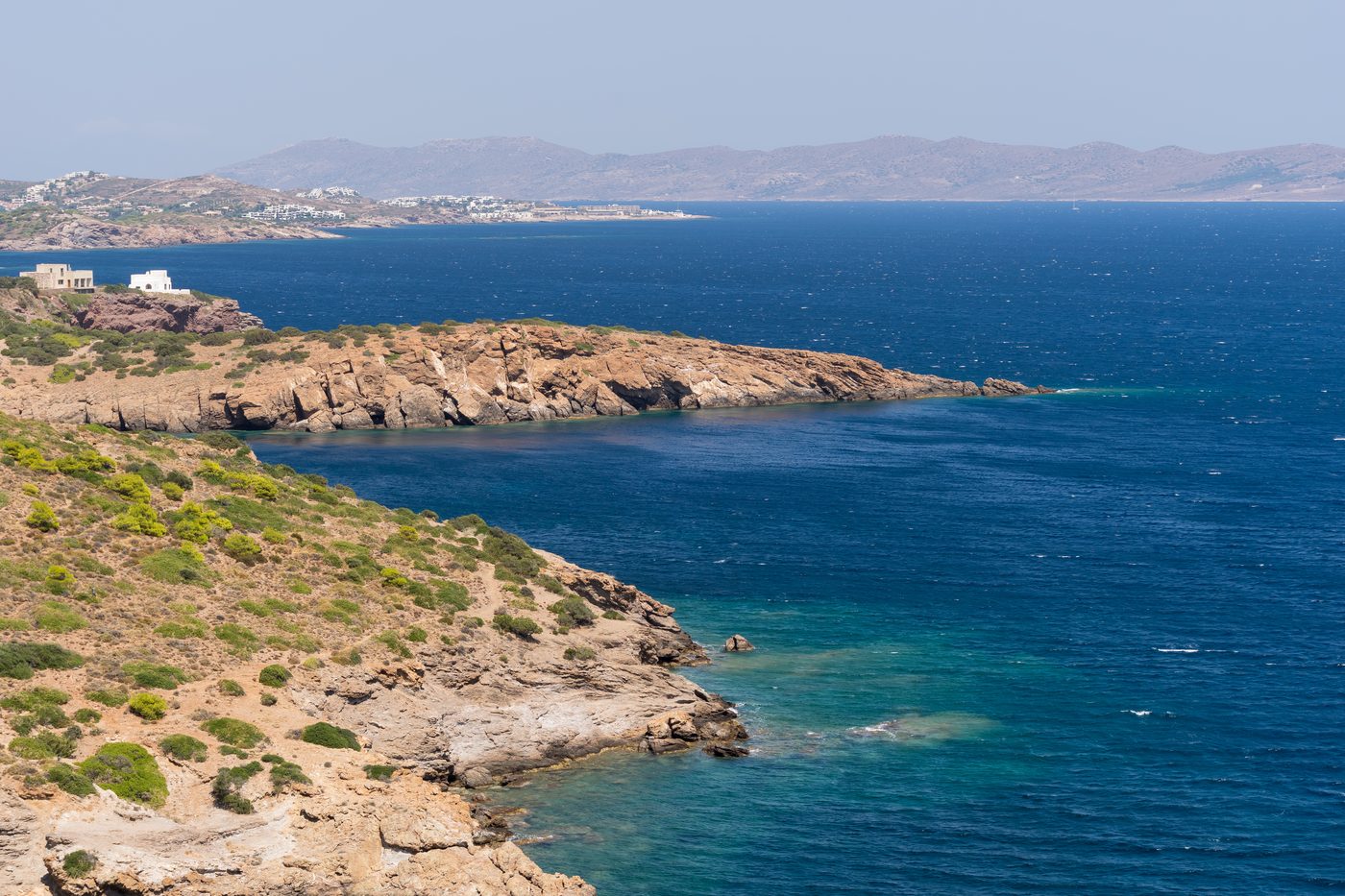
Cape Sounion (late afternoon). Go after 5pm. The site is exposed and brutal at midday, but in late afternoon the temperature drops, the light turns golden, and sunset over the sea from the Temple of Poseidon is spectacular. Have dinner at one of the tavernas below.
Mount Parnitha. The cable car takes you up to the cool forest at 1,000m+. It's genuinely 10C cooler than the city. A shaded forest walk is welcome relief from the heat.
Summer Warnings
- Avoid Delphi, Mycenae, and Ancient Corinth at midday. These are exposed, shadeless sites on hillsides. If you must go, arrive at opening time (08:00) and finish by 10:30.
- Meteora in August is punishing. The monasteries are on exposed rock pinnacles with no shade. The climb between them in 40C heat is genuinely dangerous for some visitors. Go at dawn or skip it until autumn.
- Fire risk closes mountain trails. Parts of Parnitha, Penteli, and Hymettus may be restricted in July-August during high fire danger. Check before going.
- Crowds peak in July-August. Hydra, Aegina, and popular beaches get very busy on weekends. Go midweek if possible.
- Hydration is critical. Carry more water than you think you need. Heat exhaustion at archaeological sites is common among tourists who underestimate Greek summer heat.
Autumn (September - November)
The second-best season. September is still warm and sunny (28-30C) but less intense than August. October brings cooler temperatures (20-25C), clear skies, and golden light. November is variable: sometimes warm and pleasant, sometimes rainy.
Top Picks for Autumn
Delphi. Comfortable temperatures, fewer tour buses, and the autumn light on the limestone ruins is beautiful. The best season for Delphi after spring.
Mycenae and Nafplio. The Argolid is pleasant in autumn. Explore Mycenae without melting, then stroll Nafplio's old town and swim at the town beach. The water is still warm (23-24C) through October.
Epidaurus. The theatre is atmospheric in autumn light. Combine with Nafplio for a full Argolid day.
Food Tours in Athens. Autumn is harvest season. Markets are full of grapes, figs, pomegranates, and new-season olive oil. The best time for a food tour that includes market visits.
Nemea Wine Region. Harvest season (September-October). Some wineries offer harvest experiences. The Agiorgitiko grapes are being picked and crushed. Atmospheric and educational.
Hiking (any mountain). September-November is excellent for Parnitha, Penteli, Hymettus, and Arachova. Cool enough for comfortable walking, clear air, good visibility.
Autumn Considerations
- September still feels like summer. October is the transition month. November can be wet.
- The sea stays swimmable through October (22-24C). Some beaches close their facilities in October but the water is fine.
- Daylight hours shorten noticeably by November. Plan outdoor activities accordingly.
- Some island services reduce frequency from October. Check ferry schedules.
Winter (December - February)
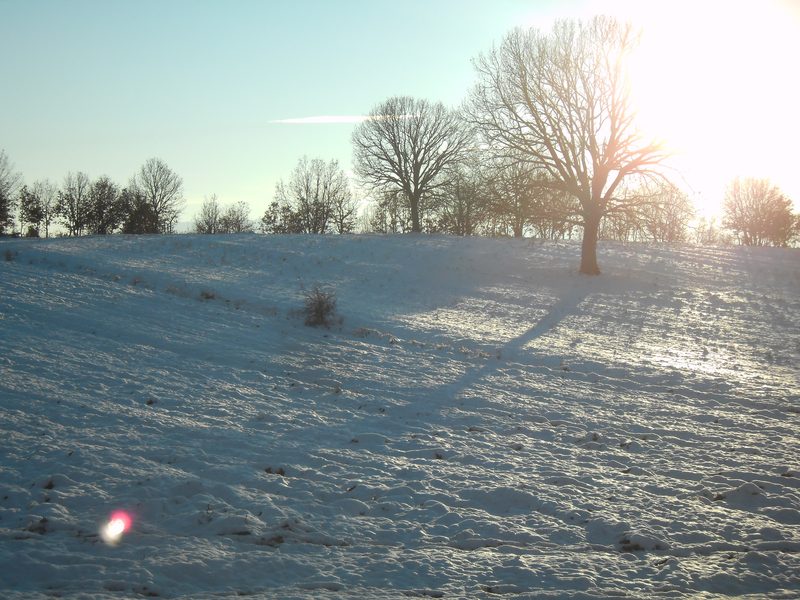
Underrated. Athens rarely gets truly cold (daytime temperatures 10-15C), and many indoor attractions and lower-altitude sites are perfectly comfortable. The main limitation is shorter days and occasional rain. Mountains get snow above 1,000m.
Top Picks for Winter
Athens Food Tours. Indoor markets, warm bakeries, hot street food. Winter is arguably the best time for a food tour. Fewer tourists, more authentic atmosphere, and the food is comfort-oriented (pies, stews, warm pastries).
Eleusis. The mysterious archaeological site is atmospheric in winter. Fewer visitors, moody light, and the industrial surroundings feel appropriate for a site associated with death and rebirth. The new museum is indoor and excellent.
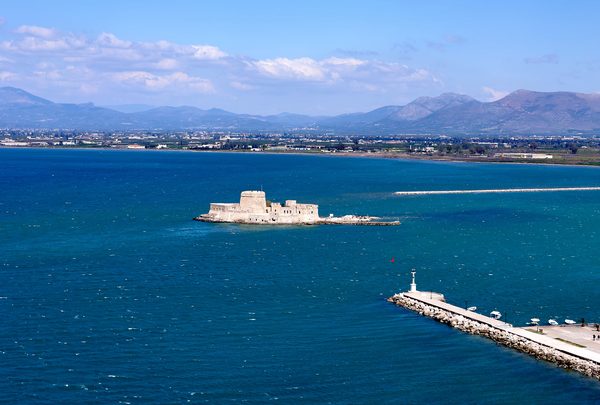
Nafplio. The old town is charming year-round. Fewer tourists in winter means you can explore the fortresses and streets in peace. The cafes are cosy. Palamidi fortress is a good workout.
Lake Vouliagmeni. The thermal water is 24C year-round. Swimming in warm, mineral-rich water while the air is cool is a unique experience. Less crowded than summer.
Ancient Corinth. Low-altitude, sheltered site that's comfortable in winter. The museum is excellent. Combine with a drive through the Corinth Canal area.
Arachova and Mount Parnassus. If there's snow (December-March), Parnassus has Greece's busiest ski centre. Arachova transforms into a cosy mountain village with fireplaces, warm food, and a winter sports atmosphere. Very different from the summer experience.
Winter Warnings
- Meteora can be cold and foggy. This can actually be spectacular (monasteries floating above the clouds) or frustrating (can't see anything). Unpredictable.
- Mountain roads may close in snow. The road to Delphi via Arachova, and the Parnitha road, can be snow-affected December-February. Check conditions.
- Shorter days limit outdoor time. Sunset is around 17:15 in December. Plan archaeological site visits for the morning.
- Some island services reduce significantly. Ferries to smaller islands may run only once daily or less. Hydra and Aegina maintain regular service year-round.
- Museums and sites may have reduced winter hours. Many close at 15:00 instead of 20:00. Check before going.
Quick Reference: Best Season for Each Trip
| Day Trip | Best Season | Avoid |
|---|---|---|
| Cape Sounion | Spring, autumn (or summer sunset) | Midday summer |
| Delphi | Spring, autumn | Midday summer |
| Mycenae & Nafplio | Spring, autumn | Midday summer |
| Hydra | Spring, early autumn | -- |
| Athens Riviera | Summer | Winter |
| Epidaurus | Spring, autumn | -- |
| Aegina | Spring, summer | -- |
| Meteora | Spring, autumn | Summer heat, winter fog |
| Ancient Corinth | Spring, autumn, winter | Midday summer |
| Lake Vouliagmeni | Year-round | -- |
| Mount Parnitha | Spring, autumn | Summer fire risk |
| Marathon & Schinias | Summer (beach), spring (site) | -- |
| Arachova | Winter (ski), spring (hiking) | -- |
| Wine Tours | Autumn (harvest), spring | -- |
| Food Tours | Autumn, winter | -- |
| Canyoning | Spring | Summer (dry) |
| Islands (Poros, Agistri, Spetses) | Spring, summer | Winter (reduced service) |
| Monemvasia | Spring, autumn | -- |
| Eleusis | Year-round | -- |
| Brauron | Spring | -- |
| Hiking (Hymettus, Penteli) | Spring, autumn | Summer midday |
General Rules
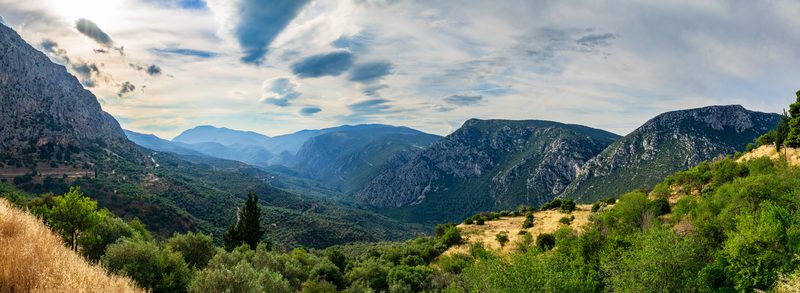
- Spring and autumn are best for everything except beach days. If your trip falls in April-May or September-October, you've hit the sweet spot.
- Summer demands water-based activities. Beach, islands, lake, coastal drives. Save the inland ruins for cooler months or very early morning.
- Winter is for food, towns, and low-altitude sites. Athens itself, Nafplio, food tours, thermal springs, and cosy mountain villages.
- Start early in summer, start whenever in spring/autumn. In July-August, being at a site when it opens at 08:00 makes a massive difference.
- Check seasonal schedules. Ferry frequency, site opening hours, and mountain road access all change with the seasons.
The best day trips from Athens depend on when you visit. Spring (April-May) and autumn (September-October) offer the widest range of comfortable options. Summer is for beaches and islands. Winter suits food tours, towns, and indoor attractions.
Planning more adventures from the capital? Browse our complete guide to the best day trips from Athens.
Last updated: 28 July 2026