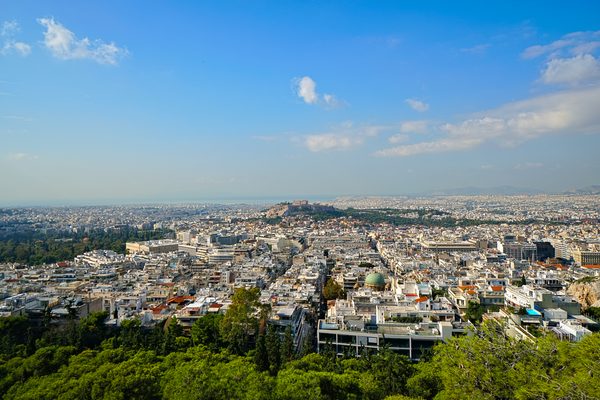
Athens is one of Europe's safest capital cities for tourists. The US State Department rates Greece at Level 1 ("exercise normal precautions"), a lower risk level than France, Spain, Italy, or the United Kingdom. Crime has been falling for four consecutive years, and violent crime against visitors is exceptionally rare.
In this guide
That said, Athens is a large Mediterranean city with five million people in the metropolitan area, and it comes with the usual big-city issues: pickpockets in crowded places, taxi drivers who try their luck with tourists, and a handful of well-known scams that have been running for years. None of this should put anyone off visiting. It just means that a bit of awareness goes a long way.
This guide covers the real safety picture in Athens: what to watch for, which areas deserve extra attention, and what practical steps make sense before and during a trip.
How Safe Is Athens Compared to Other European Cities?
By most measures, Athens compares favourably to other major European capitals. The Greek capital records roughly eight times fewer theft reports than Paris, and pickpocketing rates at major tourist sites like the Acropolis and Plaka run at about 1.2 incidents per 1,000 visitor reviews, well below the rates at equivalent sites in Rome, Barcelona, or Paris.
Greece ranks 45th on the 2025 Global Peace Index, which places it in the middle of the pack globally but broadly in line with other southern European nations. The country's Numbeo Crime Index has been declining for four straight years, dropping to 46.2 in 2026 from higher levels earlier in the decade.
Government travel advisories reinforce this picture. The US State Department assigns Greece its lowest risk rating (Level 1), while France, Spain, Italy, and the UK all sit at Level 2 ("exercise increased caution"). The UK Foreign Office has no restrictions on travel to Greece, though it notes the possibility of protests in central Athens and wildfire risk during summer months.
The bottom line: Athens is not a city where tourists need to be on high alert. Standard urban awareness, the same level of attention you would bring to any European capital, is more than sufficient.
What Are the Most Common Safety Concerns?
The overwhelming majority of crime affecting tourists in Athens is petty theft. Violent crime against visitors is genuinely rare, and the kinds of incidents that do occur almost always fall into predictable patterns.
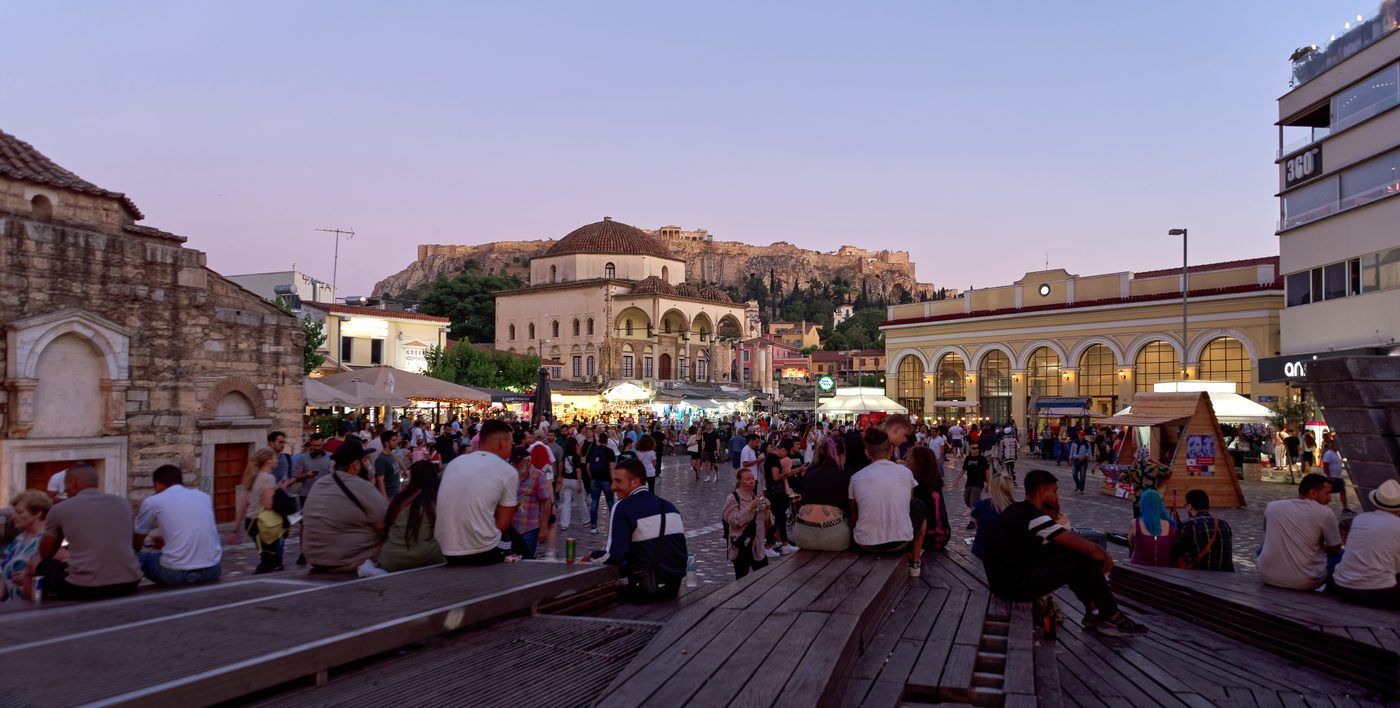
Pickpocketing is the single most common issue. It happens in crowded areas: metro stations (especially Syntagma, Monastiraki, and Omonia), busy pedestrian streets, and around major archaeological sites. Thieves typically work in pairs or small groups, using distraction techniques: one person bumps into you or asks a question while another goes for your bag or pocket. Rush hour on the metro and packed summer tourist crowds create the prime conditions.
Bag snatching occasionally occurs at outdoor restaurant tables, particularly in busy squares. A bag hanging on the back of a chair or placed on the ground is an easy target. Keep bags on your lap or loop a strap around your leg.
Protests and strikes are a regular feature of Athenian life. Demonstrations typically take place in Syntagma Square and along major avenues in the city centre. Most are entirely peaceful, but they can occasionally become confrontational with police using tear gas. Strikes can also disrupt public transport, ferries, and flights, sometimes at short notice. Checking local news before heading out on days with planned demonstrations is sensible. The UK Foreign Office specifically notes the "heightened risk of protests" in central Athens as something to monitor.
Natural hazards worth knowing about include extreme summer heat (regularly above 38C in July and August), wildfire risk from April through October, and the fact that Greece sits in a seismically active zone, though significant earthquakes affecting Athens are infrequent.
Which Neighbourhoods Should You Be Aware Of?
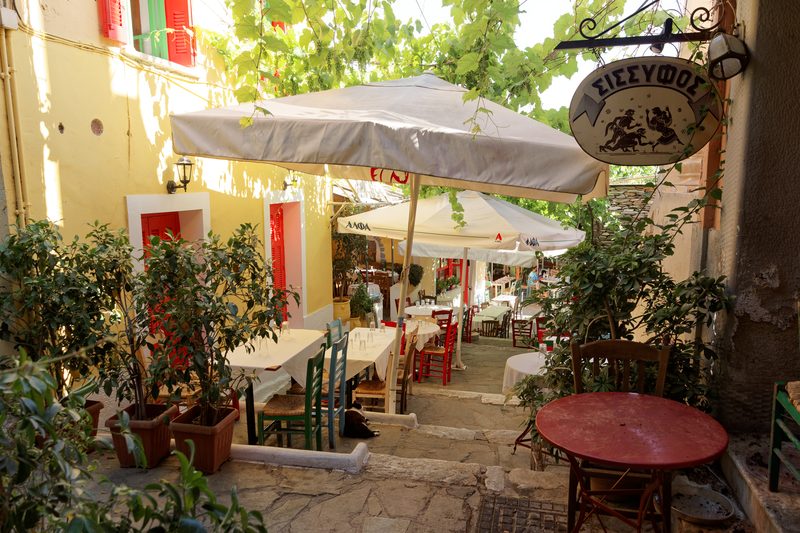
Athens is not a city with large dangerous zones. Most of the neighbourhoods visitors spend time in (Plaka, Monastiraki, Syntagma, Kolonaki, Koukaki, Thissio, Psyrri) are perfectly safe, day and night. But a few areas deserve a bit more awareness, particularly after dark.
Omonia and surrounding streets. Omonia Square itself has been undergoing significant regeneration, with new hotels and renovated buildings changing the character of the area. The main avenues around the square are safe even at night. However, some of the smaller side streets, particularly to the northwest, still see drug-related activity and occasional aggressive panhandling after dark. This is not a neighbourhood most tourists need to visit at night, but if you are staying at one of the new hotels in the area, stick to well-lit main roads and you will be fine.
Exarchia. This neighbourhood has a reputation that often exceeds reality. Known for its anarchist history, street art, and countercultural energy, Exarchia in practice has excellent cafes, busy restaurants, and a lively atmosphere. During the day it is perfectly safe and genuinely interesting to explore. At night, the main streets (Kallidromiou, Benaki, and around Exarchia Square) remain busy and safe. The advice is simply to avoid wandering down dark, empty side streets late at night, the same advice that applies in any large city. Political demonstrations occasionally occur here and can turn confrontational, so give any active protest a wide berth.
Metaxourgeio. Another neighbourhood in transition. Increasingly home to galleries, theatres, and creative spaces during the day, but some streets remain poorly lit and quiet at night. Exercise normal caution after dark.
Filopappou Hill. The hill opposite the Acropolis offers beautiful views but is isolated and poorly lit after sunset. It is best avoided after dark, particularly for solo visitors.
Syntagma and Monastiraki at night. Both are busy and safe well into the evening, with restaurants, bars, and street activity keeping things lively. The main risk here is pickpocketing in crowded areas rather than any threat of violence.
For context, the tourist-heavy neighbourhoods of Plaka, Kolonaki, Koukaki, and the areas immediately around the Acropolis are considered safe at all hours. These are some of the most patrolled and well-lit parts of the city.
What Scams Target Tourists?
Athens has a set of scams that have been operating for years. They are well-documented, easy to avoid once you know about them, and rarely involve any physical danger, just the risk of losing money.
The bar scam. This is the most notorious Athens scam and it still catches people out. A friendly local (usually a man, sometimes a woman) strikes up a conversation near Syntagma or Monastiraki and suggests going for a drink at a "great bar" nearby. Once inside, attractive staff encourage ordering, and the bill arrives at several hundred euros for a few drinks. Refusal to pay is met with intimidation from bouncers. The rule is simple: never follow a stranger to a bar. If someone you have just met on the street is insistently friendly about getting a drink, walk away.
Taxi overcharging. Some taxi drivers will claim the meter is broken, quote an inflated flat fare, or take a longer route. At the airport, unofficial drivers with laminated "official" rate cards may quote EUR 100 for a ride that should cost EUR 38 (the regulated fixed fare to the city centre, or EUR 54 between midnight and 05:00). A more subtle version involves the cash swap: you hand over a EUR 50 note, and the driver palms a EUR 10 note and claims you underpaid.
The fix is straightforward: use a ride-hailing app. FREE NOW (which replaced the popular Beat app) and Uber both operate in Athens. You get a tracked route, a digital receipt, and no opportunity for fare games. For the airport run specifically, the Athens airport transfer guide covers all options and fixed prices.
Restaurant overcharging. Some restaurants, typically those with aggressive touts on tourist streets, present menus without prices, push vaguely described "specials," or add cover charges and items that were not ordered. Always check the menu for prices before sitting down. If a restaurant has someone standing outside actively trying to pull you in, that is usually a sign to keep walking. Athens has thousands of excellent restaurants that do not need to hustle for customers.
The friendship bracelet and rose sellers. Someone ties a bracelet on your wrist or pushes a flower into your hand, then demands payment. The solution is to keep your hands at your sides and say "no" firmly. Do not engage.
The bird-dropping scam. A substance (not actually from a bird) appears on your jacket. A "helpful" person rushes over to clean it off while an accomplice picks your pocket. If something lands on you and a stranger immediately offers help, step away and clean it yourself.
The fake petition. Someone with a clipboard asks you to sign a petition, often near tourist sites. While you are distracted reading it, a partner goes through your bag. Politely decline and keep moving.
Is Public Transport Safe?
Athens has a modern, clean, and efficient public transport network, and it is safe to use. The Athens metro is the backbone of the system: three lines covering most areas tourists visit, with trains running from about 05:00 to midnight on weekdays and until 02:00 on Friday and Saturday nights. Since September 2025, selected metro lines and bus routes also run 24 hours on Saturdays.
The metro stations are well-lit, staffed, and covered by CCTV. The main safety concern is pickpocketing on crowded trains and platforms, particularly at Syntagma, Monastiraki, and Omonia stations. Keep bags closed and in front of you. Be extra aware when trains are packed during rush hours or when large groups board together. This is when pickpockets tend to operate. Thieves sometimes work near doors, jostling you as they "exit" at the last moment.
Buses and trams are also safe, though less comfortable than the metro. The same pickpocketing awareness applies on crowded routes.
Taxis are safe in terms of personal security. Athens taxi drivers are not dangerous, just occasionally creative with fares. As mentioned above, using the FREE NOW or Uber apps eliminates the overcharging risk entirely and provides a digital record of each trip. If hailing a taxi on the street, always confirm the meter is running when you get in.
Driving in Athens deserves a mention. Greek driving standards can be alarming to visitors from northern Europe or North America. Lane discipline is loose, scooters weave through traffic, and horn use is liberal. This is more stressful than dangerous for visitors, but if you are picking up a rental car for a day trip, collecting it outside the city centre will be a less nerve-wracking experience. Traffic laws are enforced, but local interpretation of those laws can be creative.
Is Athens Safe for Solo Travellers?
Athens is a good city for solo travel. It is walkable (our self-guided walking tour covers the safest and most interesting route), the public transport is easy to navigate, locals are generally friendly and helpful, and the density of cafes, restaurants, and things to see means there is never any shortage of things to do. Solo travellers are extremely common in Athens, and the infrastructure, from hostels to walking tours to food tours, caters well to independent visitors.
For women travelling solo, Athens is safe by European standards. Violent crime or assault targeting female tourists is very rare. The main annoyance reported by solo women travellers is occasional catcalling, particularly around Omonia and in less touristy parts of Psyrri late at night. This tends to be verbal rather than physical, but it can be unsettling. Sticking to busier, well-lit streets after dark and projecting confidence are effective strategies, though the same advice applies in virtually every large European city.
Recommended neighbourhoods for solo women travellers to stay include Plaka (strong tourist police presence, lively but calm at night), Kolonaki (upscale, well-lit, embassies nearby), and Koukaki (residential, friendly, excellent local restaurants). All three offer easy access to the main sights and feel safe at all hours.
A useful local insight: Greeks tend to eat dinner late: 21:00 to 23:00 is standard. This means that restaurants and neighbourhood streets in popular areas remain busy well into the evening, which naturally creates a safer environment for anyone out on their own.
Is Athens Safe at Night?
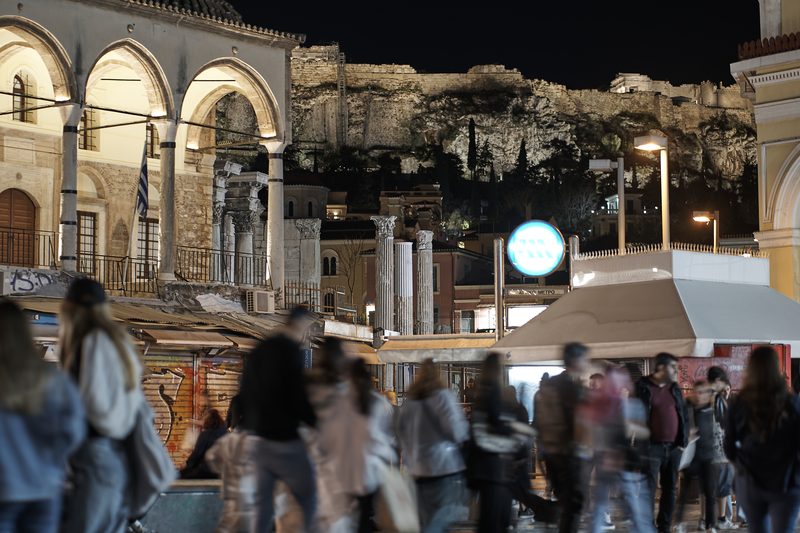
Yes, with the usual urban caveats. Athens is a city that comes alive after dark. Dinner rarely starts before 21:00, bars fill up from 23:00, and in summer the warm evenings keep people outside late. The central tourist areas (Plaka, Monastiraki, Psyrri, Thissio, Koukaki, and Kolonaki) are busy and safe well past midnight.
The practical guidelines for nighttime are straightforward:
- Stick to busy, well-lit streets. The popular neighbourhoods mentioned above have plenty of foot traffic until late.
- Avoid isolated areas after dark. Filopappou Hill, poorly lit parks, and empty side streets in transitional neighbourhoods (Omonia backstreets, parts of Metaxourgeio) are best avoided at night.
- Watch your belongings. Pickpocketing does not stop when the sun goes down. Bags on restaurant chair backs are a target throughout the evening.
- Use apps for taxis. Late-night taxi trips are safest booked through FREE NOW or Uber rather than flagging down a cab on the street.
- Be aware of the bar scam. It operates primarily in the evening, targeting tourists who are out drinking and more likely to accept a friendly stranger's invitation.
For visitors heading out to bars and clubs, the Gazi neighbourhood (near Kerameikos metro station) is the main nightlife district. It is busy, well-established, and safe, though the usual rules about watching your drink apply as they would anywhere.
Are Day Trips from Athens Safe?
Absolutely. The archaeological sites, islands, beaches, and mountain towns around Athens that draw day-trippers are generally even safer than the city itself. Smaller towns and rural areas in Greece have very low crime rates, and the tourist infrastructure at popular day-trip destinations is well-established.
Ferry travel to the nearby Saronic Islands, Aegina and Hydra among them, is extremely safe. Greek domestic ferries are well-maintained, regulated, and staffed. The main risk on ferries is the same as everywhere: keep an eye on your belongings in crowded boarding areas and on deck. Piraeus port itself is busy and safe during the day but less pleasant to linger in after dark.
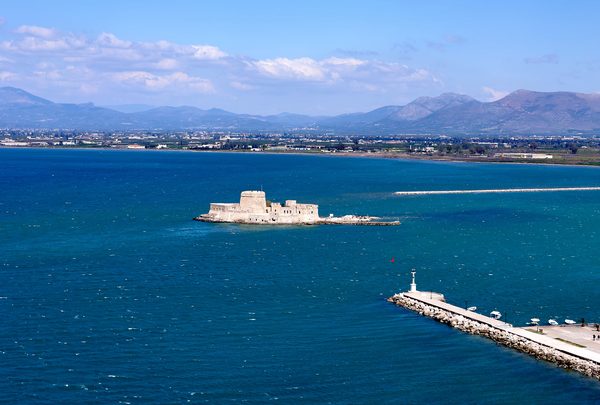
Driving to sites like Delphi, Meteora, Mycenae and Nafplio, or Cape Sounion involves Greek roads, which are generally in good condition on the major motorways. Mountain roads to places like Delphi or Meteora have hairpin turns and occasionally dramatic drops. Drive at a comfortable pace and be alert for overtaking locals. In summer, the Athens-Sounion coastal road can be congested.
Archaeological sites are very safe. The main considerations are practical rather than criminal: strong sun, limited shade, uneven ancient surfaces, and the need for water. Wearing proper footwear (not flip-flops) at sites like the Acropolis, Delphi, or Epidaurus is about not twisting an ankle on marble, not about safety from crime. The best museums in Athens offer a climate-controlled alternative on brutally hot days.
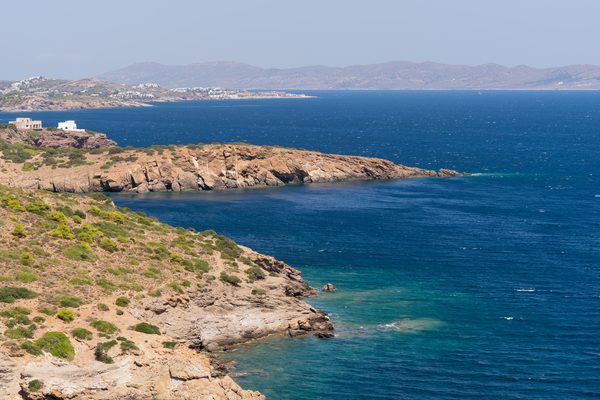
Beach areas along the Athens Riviera and destinations like Lake Vouliagmeni are safe and family-friendly. Keep valuables out of sight when swimming. Do not leave phones and wallets on an unattended towel.
For day trips with children, Athens and its surroundings are well-suited. Greeks are famously welcoming to families with children, and the main considerations are sun protection and hydration rather than safety concerns.
What Precautions Should You Take?
Most of these are common-sense measures that apply to any European trip, but they are worth listing:
Before you go:
- Travel insurance. Non-negotiable. Medical treatment in Greece can be expensive for non-EU visitors, and EU citizens should carry a valid European Health Insurance Card (EHIC) or its UK equivalent (GHIC). Neither replaces comprehensive travel insurance, which should cover medical evacuation, trip cancellation, and theft.
- Copies of documents. Photograph your passport, insurance policy, and credit cards. Store copies in your email or a cloud service so they are accessible if originals are lost or stolen.
- Register with your embassy. The US, UK, Australian, and Canadian embassies all offer registration services for citizens travelling abroad, which can speed up assistance in an emergency.
- Check the season. The best time to visit Athens is spring or autumn. Check what to pack for seasonal essentials. Summer visitors should prepare for extreme heat, which is a genuine health risk. Heatstroke is more likely to ruin your trip than crime.
While you are there:
- Carry minimal valuables. Leave passport originals in your hotel safe (a photocopy is sufficient for daily use in Greece). Carry one credit card, modest cash, and your phone.
- Use a cross-body bag or money belt. Especially in crowded areas, metro stations, and markets. Backpacks are easy pickings for skilled pickpockets.
- Check restaurant prices before ordering. If there is no menu with prices, find another restaurant.
- Use ride-hailing apps for taxis. FREE NOW and Uber provide tracked, priced rides.
- Stay aware at ATMs. Use machines inside banks or shopping centres rather than standalone street ATMs. Shield your PIN.
- Monitor local news. Strikes and protests can affect transport and access to areas of the city. Your hotel reception is usually the best source for same-day information.
- Stay hydrated in summer. Athens is brutally hot from June through September. Carry water, take breaks in shade, and plan outdoor sightseeing for morning or late afternoon. The one day in Athens itinerary is built around this principle.
What Emergency Numbers Should You Know?
Keep these numbers accessible on your phone. All can be dialled from any Greek mobile or landline:
| Service | Number | Notes |
|---|---|---|
| European Emergency Number | 112 | Connects to all emergency services. Operators speak English. This is the single most important number to remember. |
| Police | 100 | Direct line to Greek police |
| Ambulance (EKAV) | 166 | National emergency medical service |
| Fire Brigade | 199 | Also handles wildfire emergencies |
| Tourist Police | 1571 | English, French, and German speakers available. Handles tourist-specific issues: scams, disputes with businesses, lost documents, general assistance. Available 24 hours. |
| Pharmacies on Duty | 1434 | Finds the nearest open pharmacy (they rotate night/weekend duty) |
| Coastguard | 108 | For emergencies at sea or in ports |
The Tourist Police (1571) deserve special mention. This is a dedicated division of the Greek police specifically trained to assist foreign visitors. They can help with everything from filing a theft report to mediating a dispute with a taxi driver or restaurant. They speak foreign languages and are generally helpful and professional. If something goes wrong during your trip, this should be your first call.
For medical emergencies, public hospitals provide emergency treatment regardless of nationality or insurance status. The main central Athens hospitals with emergency departments include Evangelismos (near Kolonaki) and Laiko General Hospital (near Goudi). Private hospitals like Athens Medical Center offer faster service but at significant cost. This is where travel insurance becomes essential.
Athens is a safe, welcoming city that millions of tourists visit every year without incident. The risks that exist are predictable and avoidable with basic awareness. Know the scams, watch your pockets on the metro, and spend your energy on the things that actually matter: the food, the history, and the light. For help planning your trip, see the Athens on a budget guide or the five-day itinerary.
Planning more adventures from the capital? Browse our complete guide to the best day trips from Athens.
Last updated: 28 July 2026