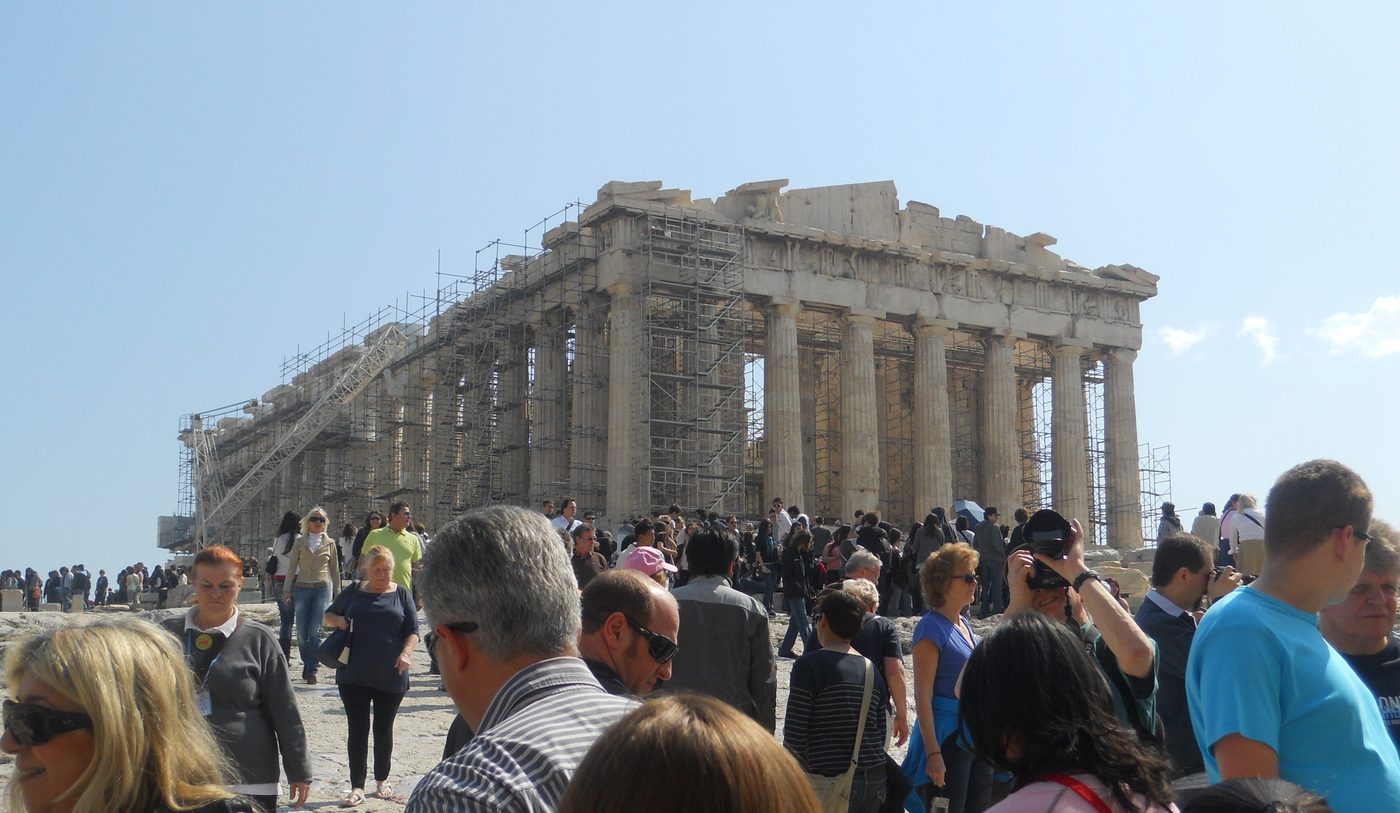
Athens has over 250 days of sunshine, summer temperatures that routinely exceed 35C, and ancient marble surfaces so polished by centuries of foot traffic that they can send visitors to the hospital. What goes into a suitcase matters more here than in most European capitals. The wrong shoes at the Acropolis are not just uncomfortable, they are genuinely dangerous.
In this guide
Packing for Athens is less about looking good and more about surviving the terrain. The city is a collision of steep cobblestone lanes, sun-blasted archaeological sites, and crowded metro carriages, and anyone using Athens as a base for day trips adds ferry decks, mountain trails, and remote beaches with no shade. The good news: Athens is a casual city with excellent shopping, so over-packing is the bigger risk.
This guide covers what to bring for every season, what to pack for day trips beyond the city, and what to leave at home entirely. Planning a longer trip? The five-day Athens itinerary shows exactly what types of activities to pack for.
What Should Everyone Pack for Athens?
Regardless of season, certain items belong in every Athens suitcase.
Footwear with serious grip. This is the single most important packing decision for Athens, and it gets its own section below. At minimum, bring one pair of walking shoes with textured rubber soles that grip polished stone. Not fashion sneakers with flat soles. Not flip-flops. Shoes that grip.
A refillable water bottle. Athens has drinkable tap water and public fountains scattered across the centre. An insulated bottle (750ml or larger) keeps water cold for hours in summer heat and saves money. A small water bottle at a tourist kiosk runs EUR 1-2 each time. Refilling is free.
Sunglasses with UV protection. The Mediterranean light is intense year-round. Even in winter, bright days are common, and the white marble of archaeological sites amplifies glare considerably.
A crossbody bag or anti-theft daypack. Athens is generally safe, but pickpocketing happens at crowded tourist sites, on the metro, and along busy shopping streets like Ermou. A crossbody bag worn across the front, ideally with a zip closure, is far more secure than a shoulder bag or an open tote. Leave the backpack zipped and in front of the body in crowded areas.
A power adapter (Type C/F). Greece uses the standard European two-pin round plug. Type F (the Schuko plug with two round pins and side grounding clips) is the current standard, though the simpler Type C fits most sockets. Travellers from the UK, US, and Australia need an adapter. Those coming from elsewhere in continental Europe generally do not.
A lightweight scarf or sarong. This is the most versatile item on the list. It covers shoulders for church visits, wraps as a skirt for monastery dress codes, doubles as a beach cover-up, blocks ferry wind, and rolls up to nothing in a bag. Greece's Orthodox churches and monasteries require covered shoulders and knees for both men and women. Monasteries, including those at Meteora, are stricter still, sometimes requiring women to wear skirts rather than trousers. Some provide wrap-around skirts at the entrance, but relying on that is a gamble.
Sun protection. Sunscreen (SPF 30 minimum, SPF 50 recommended), a hat with a brim, and lip balm with SPF. The Greek sun is stronger than most northern Europeans and North Americans expect, and archaeological sites offer almost no shade. More on seasonal specifics below.
A small travel first-aid kit. Plasters for blisters (cobblestones are hard on feet), ibuprofen, rehydration sachets for summer, and any personal medication. Greek pharmacies are excellent and widely available, but they close on weekends and have rotating duty schedules.
What Should You Pack for Summer (June-September)?
Summer in Athens means 30-35C as a baseline, with heatwaves pushing above 40C. Rainfall is essentially zero from June through August. The urban heat island effect makes the city centre several degrees hotter than surrounding areas. For detailed month-by-month conditions, see the best time to visit Athens guide.
Lightweight, breathable clothing. Cotton, linen, and moisture-wicking synthetics. Light colours reflect heat better than dark ones. Loose fits beat tight ones. Most travellers find that 3-4 tops, 2-3 bottoms, and a set of swimwear covers a week comfortably. Athens laundry services are affordable and quick.
High-factor sunscreen (SPF 50). Apply before leaving the hotel, not at the site. The UV index in Athens regularly hits 9-11 in summer, which is "very high" to "extreme" on the international scale. Reflective surfaces (marble ruins, white buildings, the sea) amplify exposure. Reapply every two hours, especially at open-air archaeological sites like Sounion or Delphi where shade is scarce.
A wide-brimmed hat. Not a baseball cap, but a hat that shades the ears and neck. Standing in full sun at the Acropolis or the Ancient Agora for an hour without head coverage is a recipe for heatstroke.
Swimwear. Even travellers who are not planning beach days may find themselves at Lake Vouliagmeni, the Athens Riviera, or a Saronic island beach. Pack at least one swimsuit.
A light layer for evenings and ferries. This catches people off guard. After a 38C day, evening temperatures on a ferry deck or a rooftop restaurant can feel cool by contrast. Air conditioning in restaurants and museums can be aggressive. A light cotton jacket or a long-sleeved linen shirt handles both.
Mosquito repellent. Athens mosquitoes are persistent in summer evenings, particularly near green spaces and the coast. A small DEET-based repellent or a plug-in device for the hotel room makes a difference.
What Should You Pack for Spring and Autumn?
The shoulder seasons, April to May and September to October, are arguably the best time to visit Athens. Temperatures range from 20-29C, crowds thin, and the light is beautiful for photography.
A layering system. Mornings can start at 15C and afternoons can reach 25C or more. A light base layer, a mid-layer (light fleece or cotton sweater), and a shell that blocks wind and light rain covers the full range.
A packable rain jacket. Spring sees occasional showers, and the first autumn rains typically arrive in mid-to-late October. A lightweight, packable waterproof jacket takes up almost no luggage space and is far more practical than an umbrella on windy hilltops.
Comfortable walking layers. These are the prime months for archaeological day trips to Epidaurus, Mycenae, and Ancient Corinth, where visitors spend hours walking outdoors. Layers that can be tied around the waist or stashed in a daypack are ideal.
Swimwear (September-October). The sea stays warm through October (24-25C in September), so beach day trips remain viable well into autumn.
What Should You Pack for Winter (December-February)?
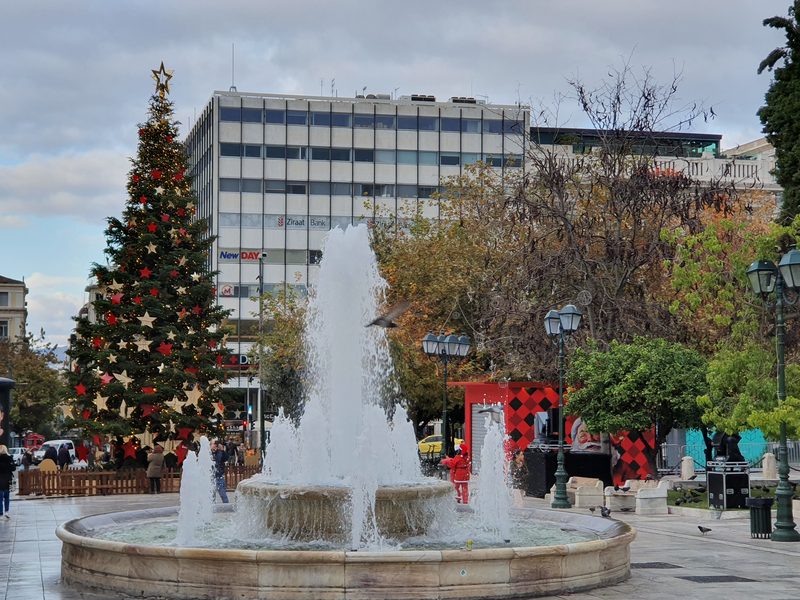
Athens winters are mild by northern European standards (highs of 13-14C, lows around 7C), but they are wetter and greyer than most visitors expect. It rarely freezes at sea level, but the damp cold can be penetrating.
Warm layers. A proper winter jacket, a wool or fleece mid-layer, and thermals for anyone planning to spend extended time at outdoor sites. Wind on exposed hilltops like the Acropolis and Areopagus cuts through thin layers quickly.
A waterproof jacket and compact umbrella. December averages 11 rainy days. An umbrella works for city streets; a waterproof jacket is better for archaeological sites and hiking.
Waterproof footwear. Wet marble becomes dramatically more dangerous (see footwear section). Waterproof walking shoes with strong grip soles are non-negotiable in winter.
Warmer accessories. A warm scarf, gloves, and a beanie for early mornings and evenings. These are also essential for anyone making a winter day trip to Arachova and Mount Parnassus, where temperatures can be well below freezing and snow is the entire point.
What Do You Need for Day Trips?
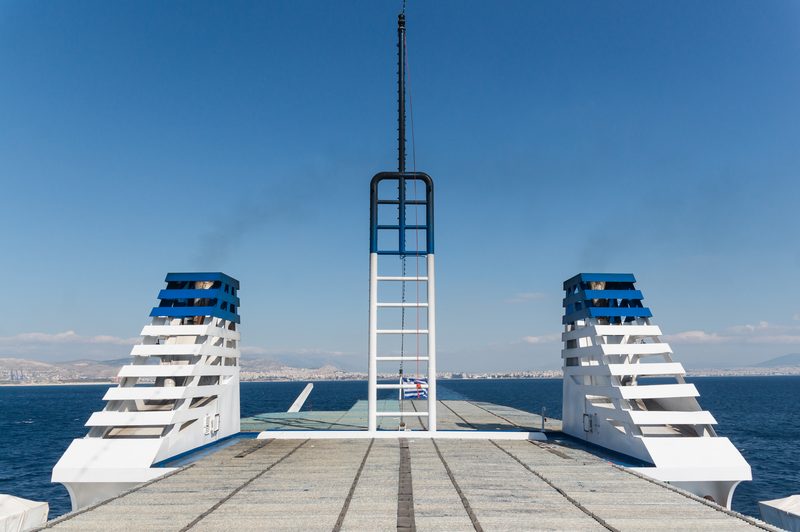
Athens is one of the best bases for day trips in the Mediterranean, and what goes into the day bag depends entirely on where the day leads.
For every day trip: the basics. A daypack (20-25L is ideal), water (at least 1.5L in summer), sunscreen, sunglasses, hat, snacks, and a portable phone charger. Many day trip destinations have limited facilities, and those that exist charge tourist prices.
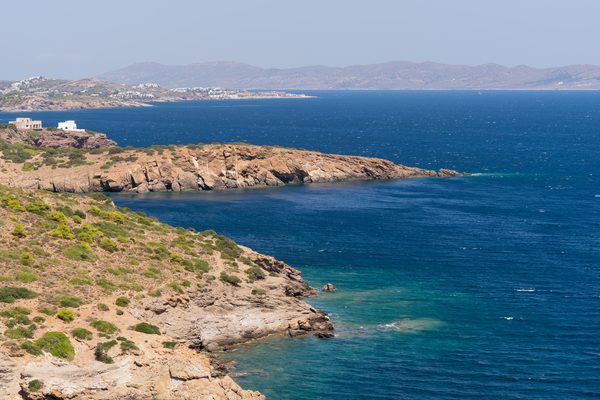
For island day trips. Aegina, Hydra, Poros, and Spetses are the most popular day trips from Athens, and they all involve a ferry. Pack swimwear, a quick-dry towel (microfibre takes up far less space than cotton), sunscreen, and a windbreaker or light jacket for the ferry deck. Even on a hot day, the Saronic Gulf breeze on an open ferry deck is significant. Flip-flops or sandals work for island wandering but should be supplementary to proper walking shoes, not a replacement.
For hiking day trips. Mount Parnitha, Mount Hymettus, Mount Penteli, and the Tatoi forest all require proper footwear: trail shoes or light hiking boots with ankle support and good grip. Bring more water than seems necessary (2L minimum in warm weather), a hat, and energy-dense snacks. Trails are generally well-marked but not always shaded. Canyoning near Athens requires specialist gear provided by operators, but participants should bring quick-dry clothing and shoes that can get wet.
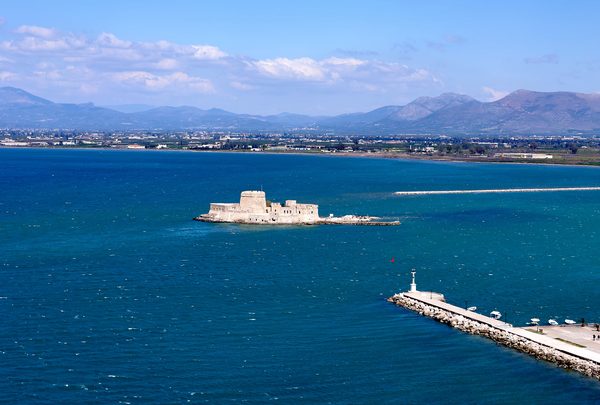
For archaeological day trips. Delphi, Epidaurus, Mycenae, Nafplio, and Cape Sounion all involve extensive walking on uneven terrain in full sun. The essentials: comfortable walking shoes with grip (the same marble warning applies at every ancient site), a hat, sunscreen, water, and layers. At Delphi especially, the site sits at 600m altitude and can be noticeably cooler than Athens.
For beach day trips. Heading to Schinias Beach, the Athens Riviera, or an island beach requires swimwear, a towel, high-factor sunscreen, flip-flops or sandals for hot sand, and a cover-up for the walk to and from the beach. Some beaches have sunbed hire (EUR 8-15 for a pair with umbrella); others have nothing at all, so bring shade if possible.
What About Footwear?
This deserves its own section because poor footwear choices send people to Athens hospitals every year.
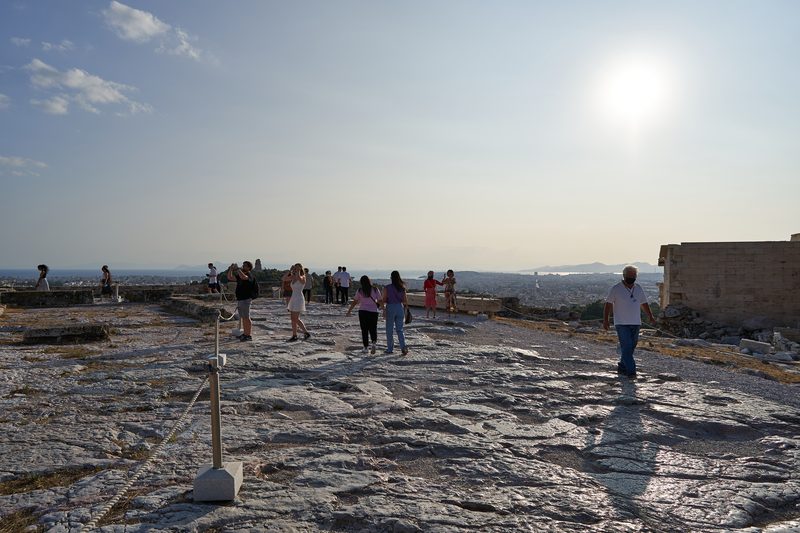
The marble at the Acropolis, the Areopagus (Mars Hill), the Ancient Agora, and virtually every other archaeological site in Attica has been worn glass-smooth by millions of feet over thousands of years. It is slippery when dry. It is treacherous when wet: morning dew, a passing shower, or winter rain turn these surfaces into something approaching an ice rink. Even dry marble can have a fine layer of dust that acts like ball bearings underfoot.
The Areopagus is the worst offender. Its bare rock surface, polished to a shine, slopes at angles, has unprotected drops on multiple sides, and has gaps that are perfectly sized for catching toes and twisting ankles. An ambulance at the base of Areopagus is not an unusual sight.
High heels are not just impractical at Greek archaeological sites. They are actually illegal. Authorities can fine visitors up to EUR 900 for wearing heels at sites like the Acropolis, as they damage the ancient stone.
What to bring:
- Primary shoes: Walking shoes or trainers with textured rubber soles that grip smooth stone. Test them on a wet tile floor before travelling. If they slip, they will slip worse on marble. Brands known for good grip on mixed terrain (Merrell, Salomon, Keen, even well-treaded New Balance) are solid choices.
- For hiking day trips: Trail shoes or light hiking boots with ankle support. Not needed for the city, but essential for Parnitha or Hymettus.
- For beaches and casual island walking: Sturdy sandals with a back strap (Teva-style or Birkenstock) work well. Flip-flops are fine for the beach itself but not for walking around island towns with cobblestone streets.
- For evenings: Athens is casual. Clean trainers or smart sandals work everywhere, including rooftop restaurants. Nobody is wearing heels on cobblestones.
What to avoid: Flip-flops at archaeological sites (people fall hard), smooth-soled leather shoes, brand-new shoes that have not been broken in (blisters on cobblestones are miserable), and anything with a heel.
What Should You Leave at Home?
Formal clothing. Athens is one of the most casually dressed capitals in Europe, and even its best-regarded places are unpretentious. Smart-casual is the ceiling for virtually every restaurant, bar, and venue. A collared shirt or a simple dress is more than sufficient for the nicest dinner in Kolonaki. Even food tours are casual affairs.
Excessive luggage. Ferry gangways are steep and narrow, hotel lifts are small, and the cobblestone streets of Plaka will punish anyone dragging a 30kg hard-shell suitcase. A soft-sided bag or a carry-on-sized roller plus a daypack covers most trips of a week or more.
Expensive jewellery and flashy accessories. Athens is safe, but there is no reason to make oneself a target. Leave anything that would be devastating to lose at home.
Heels. Already covered above. They are illegal at archaeological sites, impractical on cobblestones, and unnecessary everywhere else.
A hair dryer. Every hotel and most apartments provide one. The luggage space is better used for almost anything else.
Excessive toiletries. Anything that is not medication or a specific prescription product can be bought in Athens. See below.
What Can You Easily Buy in Athens?
Do not over-pack out of fear that Athens lacks basic supplies. It is a capital city of nearly four million people with modern retail infrastructure.
Sunscreen. Available everywhere: pharmacies, Hondos Center (large cosmetics chain with locations on Ermou Street and at Omonia Square), supermarkets, and tourist shops. However, it is not cheap: expect to pay EUR 16-20 for a standard bottle of SPF 50 at Hondos Center, and more at pharmacies or on the islands. If coming from a country where sunscreen is cheaper (the US, the UK, much of northern Europe), bringing it from home saves money. Greek brands Korres and Apivita make excellent sun products and are significantly cheaper in Greece than abroad.
Toiletries. Shampoo, conditioner, deodorant, toothpaste, and other basics are available at every supermarket (Sklavenitis, AB Vassilopoulos) and mini-market. Prices are comparable to or slightly lower than western European averages.
Beach gear. Flip-flops, beach towels, cheap sunglasses, and swimwear are sold in tourist shops throughout central Athens and at every island and coastal destination. Quality varies, but for a last-minute beach trip, everything needed is available within a short walk of Monastiraki.
Power adapters. Available at electronics shops, airport shops, and even some kiosks (periptera). Quality varies. A EUR 3 adapter from a kiosk works but may not last. Bringing one from home is more reliable.
Medication. Greek pharmacies (farmakeia, marked with a green cross) are well-stocked and pharmacists are knowledgeable. Many medications that require a prescription elsewhere are available over the counter in Greece. Pharmacies keep standard weekday hours but operate on a rotating duty system for nights and weekends. A posted sign on each pharmacy door indicates the nearest one on duty.
Clothing. Ermou Street is Athens' main shopping artery, with all the usual European high-street brands. For an emergency outfit or a forgotten layer, buying in Athens is easy and often budget-friendly.
The best-packed bag for Athens is a light one. Bring the right shoes, protect against the sun, carry a scarf for churches, and let the city supply the rest.
Planning more adventures from the capital? Browse our complete guide to the best day trips from Athens.
Last updated: 28 July 2026