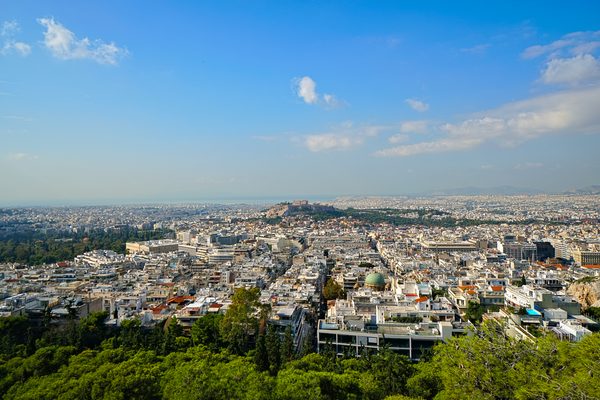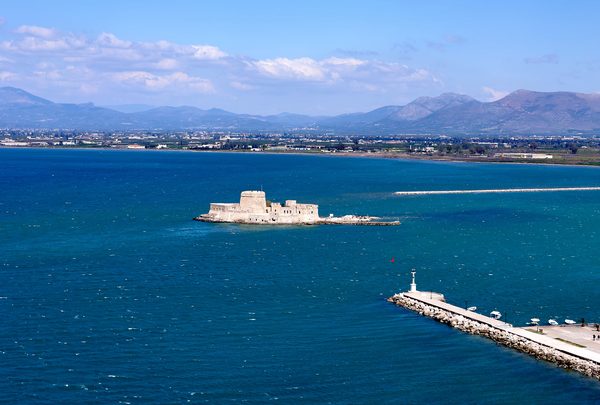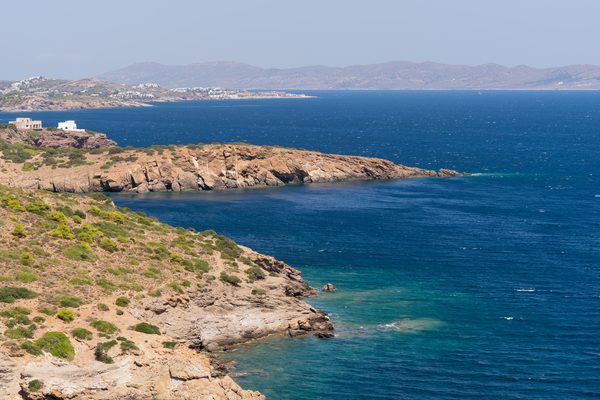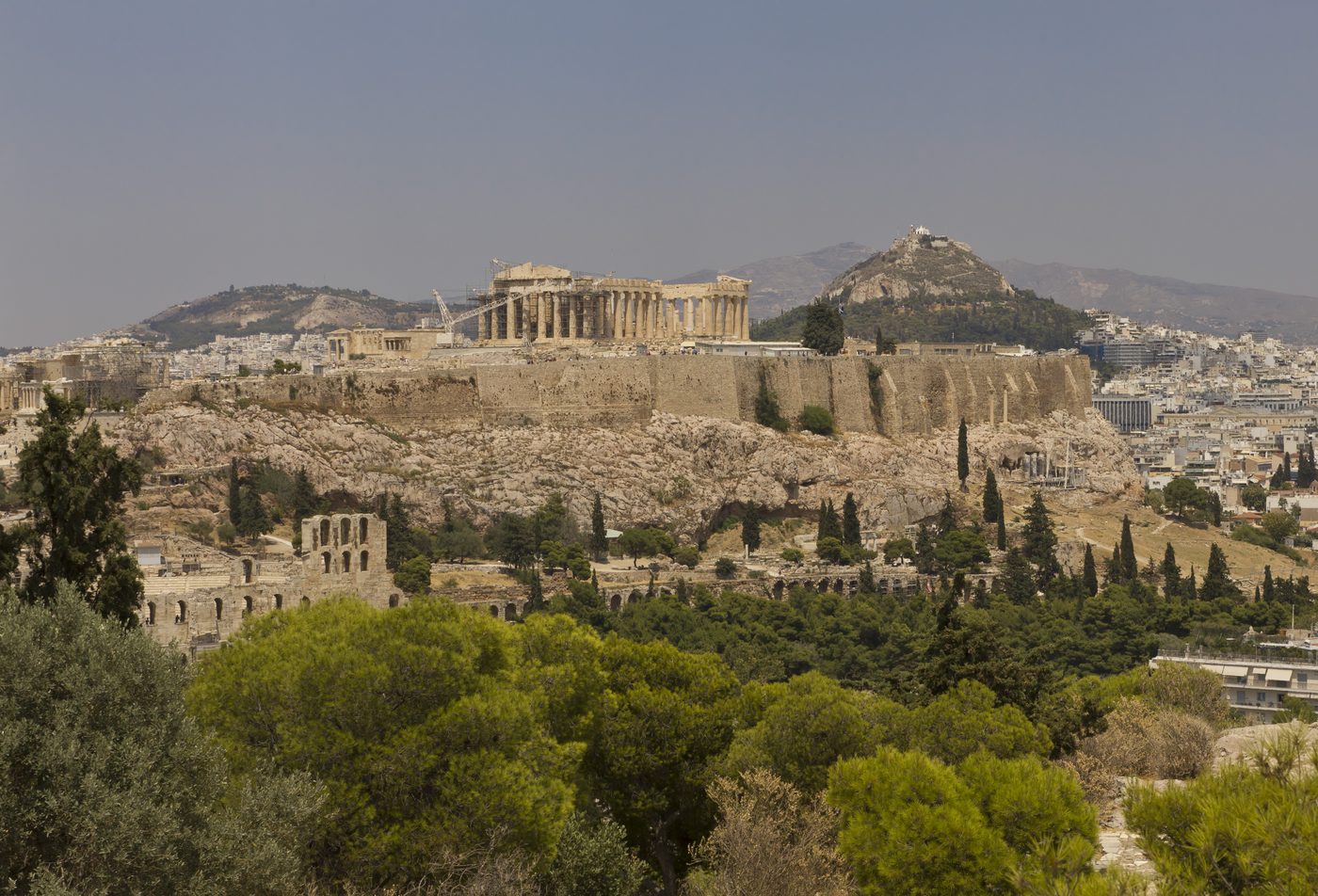
Athens enjoys over 250 days of sunshine per year and a mild Mediterranean climate that makes it a viable destination in every season, but the difference between visiting in April and visiting in August can mean the difference between a 20C stroll through the Agora and a 40C endurance test with the Acropolis closed for heat.
In this guide
The short answer: the best time to visit Athens is mid-April through June and September through mid-October. These shoulder months deliver warm but manageable temperatures, reasonable hotel prices, full ferry schedules to the islands, and far fewer crowds than the July-August peak. But every season in Athens has something to offer, and the "right" time depends entirely on what matters most to a particular traveller.
This guide breaks down Athens month by month, covering weather, crowd levels, pricing, events, and, crucially, how the season affects day trips from Athens, from Saronic island ferries to mountain hikes and archaeological excursions.
What Is the Weather Like in Athens?
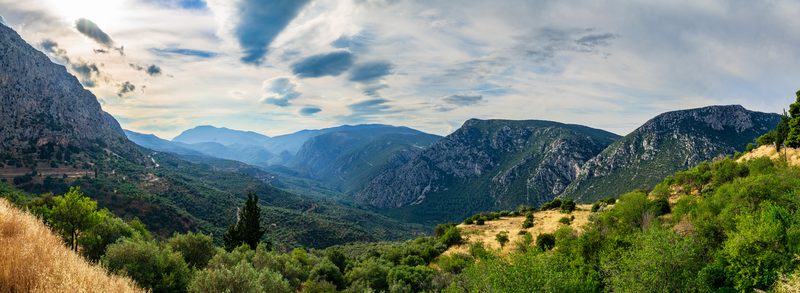
Athens has a Mediterranean climate with hot, dry summers and mild, relatively wet winters. The city averages just 365mm of rainfall per year, and almost all of it falls between October and March. Summer months are virtually rain-free.
Winter (December-February): Highs of 13-14C, lows around 7C. Occasional rain, but Athens rarely sees frost or snow at sea level. Grey days are common but so are bright, crisp ones.
Spring (March-May): A rapid warm-up from 16C highs in March to 25C in May. April and May are among the most pleasant months, with wildflowers in bloom across Attica and comfortable conditions for outdoor sightseeing.
Summer (June-August): Highs of 30-33C, with July and August regularly exceeding 35C and occasionally touching 40C or more during heatwaves. Virtually zero rainfall. The urban heat island effect makes central Athens several degrees hotter than surrounding areas.
Autumn (September-October): A gentle cool-down from 29C in September to 24C in October. The sea is still warm (24-25C in September), and the first rains typically arrive in mid-to-late October.
| Month | Avg High | Avg Low | Rainfall | Rainy Days |
|---|---|---|---|---|
| January | 13C | 7C | 50mm | 9 |
| February | 14C | 7C | 40mm | 7 |
| March | 17C | 9C | 40mm | 8 |
| April | 20C | 12C | 25mm | 6 |
| May | 25C | 16C | 14mm | 4 |
| June | 30C | 21C | 5mm | 1 |
| July | 33C | 23C | 6mm | 1 |
| August | 33C | 24C | 6mm | 1 |
| September | 29C | 20C | 12mm | 3 |
| October | 24C | 16C | 45mm | 5 |
| November | 19C | 12C | 60mm | 8 |
| December | 15C | 9C | 60mm | 11 |
When Is the Best Time for Day Trips?
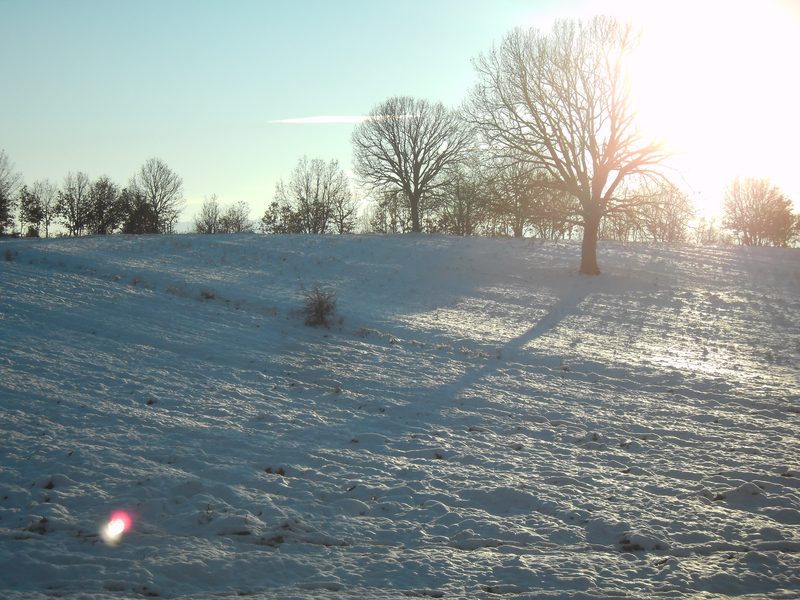
Seasonal conditions directly affect which day trips are practical and enjoyable from Athens.
Island day trips depend heavily on ferry schedules. The Saronic islands (Aegina, Hydra, Poros, Spetses, Agistri) maintain year-round service from Piraeus, but winter frequencies drop significantly. In summer, there are 20+ daily ferries to Aegina alone; in winter, that number shrinks considerably. The more distant islands like Kea have even more limited winter schedules. For island hopping with maximum flexibility, May through October is ideal.
Archaeological sites like Delphi, Mycenae, and Epidaurus are open year-round, but conditions vary enormously. In July and August, standing in full sun at Ancient Corinth or the Marathon battlefield in 38C heat is genuinely unpleasant and potentially dangerous. Spring and autumn are far better for these excursions: comfortable walking temperatures, softer light for photography, and shorter queues. Note that winter hours are reduced (most sites close at 5pm November-March versus 8pm in summer).
Mountain and hiking trips to Meteora, Mount Parnitha, Mount Hymettus, and Arachova/Parnassus follow opposite seasonal logic. Summer heat makes low-altitude hikes miserable, while winter opens up skiing at Parnassus (December-March) and makes Meteora's monastery visits comfortable. Spring hiking is spectacular, with wildflowers and mild temperatures. Canyoning near Athens is best in spring when water levels are ideal.
Beach trips to the Athens Riviera, Lake Vouliagmeni, and Schinias Beach are obviously seasonal. Swimming season runs roughly from late May through October, with September offering the best combination of warm sea (24C), pleasant air temperature, and uncrowded sand. Lake Vouliagmeni's thermal waters, however, are warm year-round and make an excellent winter day trip.
Food and wine excursions (food tours, wine tasting, visits to the Nemea wine region) work well in any season, though autumn harvest season (September-October) adds an extra dimension to vineyard visits.
What Are the Peak and Off-Peak Seasons?
Peak season (mid-June to mid-September): The highest crowds, the highest prices, and the highest temperatures. Hotel rates for a mid-range double room in central Athens average EUR 120-150 per night, with premium properties charging significantly more. The Acropolis and major museums see their longest queues. Flights from European hubs are at their most expensive. The upside: everything is open, ferry schedules are at maximum frequency, and the city's nightlife and cultural calendar are in full swing.
Shoulder season (April-mid June and mid-September-October): The sweet spot. Hotel rates drop to EUR 80-110 per night. Queues at major sites are noticeably shorter. The weather is warm but rarely oppressive. Ferry schedules are robust if not quite at peak frequency. This is when most experienced Greece travellers choose to visit.
Low season (November-March): Hotel rates fall to EUR 60-80 per night, and deals are easy to find. The Acropolis might have a handful of visitors where summer would see hundreds. Flights are cheapest. The trade-offs: shorter daylight hours, reduced archaeological site hours, limited ferry schedules, and some island restaurants and hotels close entirely. But Athens itself (the museums, the food scene, the neighbourhoods) operates year-round and arguably at its most authentic when the tourists thin out.
Month-by-Month Guide
January
Weather: Highs around 13C, lows near 7C. About 9 rainy days, though plenty of bright spells between showers. Occasional cold snaps can drop temperatures further.
Crowds and prices: The quietest month of the year. Hotels are at their cheapest, and you may have major museums nearly to yourself. The Acropolis is closed on January 1.
Day trips: Ideal for Meteora (monasteries are atmospheric in winter mist) and indoor-focused excursions. Saronic island ferries run but on reduced schedules. Skiing at Parnassus is typically in full swing. Lake Vouliagmeni is a wonderful winter escape. The thermal lake stays at 22-25C year-round.
Events: Epiphany (January 6) features the Blessing of the Waters ceremony at Piraeus harbour, where a cross is thrown into the sea and young men dive to retrieve it.
February
Weather: Marginally warmer than January, with highs of 14C. About 7 rainy days. The first hints of approaching spring appear toward month's end.
Crowds and prices: Still very quiet. Among the cheapest months to visit alongside January.
Day trips: Similar to January: good for mountains, museums, and thermal springs. Ferry schedules remain limited.
Events: Carnival season (Apokries) typically falls in February, culminating in a grand parade through central Athens. In 2026, the main parade is on February 22, with Clean Monday (Kathara Deftera) on February 23, a public holiday when Athenians fly kites, eat seafood and bean dishes, and celebrate the start of Lent. The hilltop of Filopappou near the Acropolis fills with kite-flyers. It is one of the most charming local traditions a visitor can stumble into.
March
Weather: Warming up to 17C highs, with lows around 9C. Still about 8 rainy days, but the rain becomes less persistent. Spring wildflowers begin appearing on hillsides.
Crowds and prices: Low season pricing continues, though Easter (if it falls in March or early April) can cause a brief spike. Starting to see more visitors than deep winter.
Day trips: An excellent month for Delphi and Mycenae/Nafplio: comfortable walking weather and minimal crowds. Mount Hymettus begins its wildflower season. March 25 is Greek Independence Day, a public holiday with military parades in central Athens; some sites may have altered hours.
Events: Greek Independence Day (March 25): parades on Syntagma Square and throughout Athens. Many archaeological sites are closed on this date.
April
Weather: A turning point. Highs reach 20C, lows hover around 12C. Rainfall drops to about 25mm over 6 days. Genuinely pleasant outdoor weather most days.
Crowds and prices: The start of shoulder season. Prices begin to edge up but remain well below summer levels. If Orthodox Easter falls in April (as it does in 2026, on April 12), expect a brief surge in domestic tourism and altered opening hours during Holy Week.
Day trips: One of the best months for just about everything. Archaeological sites in comfortable conditions, Saronic island ferries ramping up frequency, hiking trails at their greenest. A Saronic islands cruise in April avoids the summer crowds entirely. In April the theatre at Epidaurus sits in a bowl of spring wildflowers.
Events: Orthodox Easter (April 12 in 2026) is the most significant celebration in Greece. Holy Week services at Athens' churches are deeply atmospheric. The midnight Resurrection service on Saturday night (April 11) features fireworks and the greeting "Christos Anesti" (Christ is Risen). Note: Good Friday and Easter Sunday are public holidays, and many businesses close. The Acropolis is closed on Easter Sunday. For travellers willing to navigate the holiday closures, experiencing Greek Easter is genuinely unforgettable.
May
Weather: Warm and increasingly sunny, with highs of 25C. Only about 14mm of rain across 4 days. The sea begins to warm up enough for the first tentative swims.
Crowds and prices: Shoulder season in full swing. A noticeable uptick in visitors, especially at the Acropolis, but nothing like summer volumes. Good availability and mid-range pricing.
Day trips: Perhaps the single best month for day trips overall. Every type works: islands (ferries approaching summer frequency), archaeological sites (warm but not hot), beaches (beginning of swim season at Schinias and the Athens Riviera), hiking (Mount Parnitha before summer heat), and wine country (Nemea vineyards are lush and green). May 1 is Labour Day, a public holiday when many Athenians head to the countryside; archaeological sites are closed.
Events: May Day (May 1) is celebrated with flower wreaths and picnics. The city's outdoor cinema season begins in mid-to-late May, a beloved Athenian tradition.
June
Weather: Summer arrives. Highs of 30C, lows around 21C. Virtually no rain. Long days with sunset after 8:30pm, giving extended hours for sightseeing.
Crowds and prices: The transition from shoulder to peak. Early June still feels manageable; by late June, full summer crowds have arrived. Prices climb accordingly. The Acropolis shifts to extended summer hours (open until 8pm).
Day trips: Island day trips are at their best in early-to-mid June: full ferry schedules, warm seas (22-23C), but beaches not yet packed. A day trip to Hydra or Aegina in early June is close to ideal. For archaeological sites, go early in the morning. By midday it is already hot. Cape Sounion at sunset is spectacular in June with the long evenings.
Events: The Athens & Epidaurus Festival opens (June 20 in 2026), bringing world-class music, theatre, and dance to the Odeon of Herodes Atticus and the Ancient Theatre of Epidaurus. June is the month to catch performances at the Odeon beneath the Acropolis, one of the most memorable experiences in Athens.
July
Weather: Hot. Highs of 33C on average, but heatwaves can push temperatures above 40C. Lows rarely drop below 23C, making nights warm. Zero meaningful rainfall.
Crowds and prices: Peak season. Major sites are at their busiest, with long queues at the Acropolis from mid-morning onward. Hotel prices at their highest. Book popular day trips well in advance.
Day trips: Adjust strategy for heat. Beach days to Agistri or the Athens Riviera make far more sense than trudging around sun-baked ruins. If visiting archaeological sites, start at 8am opening and finish by 11am. Consider a Salamis day trip for its proximity and beaches. The Athens & Epidaurus Festival continues with performances at Epidaurus. An Epidaurus day trip combined with an evening ancient drama performance under the stars is a highlight of the Greek summer.
Events: Athens & Epidaurus Festival performances throughout the month. During severe heatwaves, the Acropolis and other outdoor archaeological sites may close during midday hours (this happened in 2024 and 2025).
August
Weather: The hottest month. Average highs of 33C, but 38-42C during heatwaves is not unusual. Athens holds the heat, with concrete and marble radiating stored warmth well into the night. About 6mm of rain, effectively zero.
Crowds and prices: A paradox. International tourists arrive in large numbers, but Athens itself empties of locals, especially around August 15 (Assumption of the Virgin Mary), when a mass exodus to islands and home villages occurs. Many neighbourhood restaurants, small shops, and local businesses close for part or all of August. Hotels remain expensive due to tourist demand.
Day trips: Beach-focused itineraries are the sensible choice. The Saronic islands are busy but the water is at peak temperature (26C). Avoid full-day archaeological excursions unless starting at dawn. A day trip to Evia offers beaches and a change of scenery just across a short bridge from the mainland. Cape Sounion works if you go for the late afternoon and sunset.
Events: August 15 (Dekapentavgoustos) is the biggest summer holiday. Many businesses and some archaeological sites close. Athens & Epidaurus Festival concludes in late August. If heat sensitivity is any concern at all, pick a different month.
September
Weather: Relief arrives. Highs drop to 29C, and the edge comes off the brutal summer heat. Sea temperature peaks at 24-25C. The first brief rain showers may appear toward month's end, but most days remain sunny and clear.
Crowds and prices: Peak season tapers off, especially after mid-September. Prices begin to fall. Queues shorten. This is arguably the single best month to visit Athens if only one could be chosen: warm, sunny, less crowded, and with a full calendar of things to do.
Day trips: Superb across the board. Islands with warm seas and thinning crowds. Archaeological sites in comfortable (not scorching) conditions. The beginning of the grape harvest makes Nemea wine country particularly rewarding. The Athens Riviera beaches are still warm and far less packed than August. A Saronic islands cruise in September is hard to beat.
Events: The cultural calendar remains active. Outdoor cinemas are still running. The Acropolis hours begin their gradual reduction, closing 30 minutes earlier every two weeks from September 1.
October
Weather: Pleasantly warm with highs of 24C, dropping to 16C at night. The first proper autumn rain arrives, averaging 45mm across 5 days. But most October days are still sunny and warm enough for light clothing.
Crowds and prices: Shoulder season. A significant drop from summer crowds and pricing. Excellent value for money. Some island services begin to wind down late in the month.
Day trips: The last great month for island day trips before winter schedules kick in. Perfect conditions for Delphi, Ancient Nemea, and Nafplio, warm enough to enjoy without the heat stress. Hiking on Mount Hymettus and Mount Parnitha returns to comfortable territory. Swimming is still possible through mid-October for the non-faint-hearted (sea around 22C).
Events: The Athens Marathon (early November) means late October sees runners arriving for pre-race activities. October 28 is "Oxi Day" (a national holiday commemorating Greece's refusal to surrender to Mussolini in 1940), marked by military parades.
November
Weather: Autumn settles in. Highs of 19C, lows of 12C. Rainfall increases to 60mm over 8 days. Overcast days become more frequent, though sunny spells still occur.
Crowds and prices: Low season begins. Prices drop. Tourist numbers thin considerably. Some island restaurants and hotels begin closing for winter.
Day trips: Mainland excursions remain excellent: Meteora, Delphi, and Monemvasia are atmospheric in autumn light and largely crowd-free. Ferry schedules reduce but Saronic islands still have regular service. The reduced site hours (closing at 5pm) limit winter day trip planning somewhat. Eleusis, close to Athens, works well with shorter daylight.
Events: The Athens Authentic Marathon (November 8 in 2026) follows the original route from Marathon to the Panathenaic Stadium. The city buzzes with runners and spectators during race weekend. Even non-runners can visit the Marathon battlefield to see where the legendary run began.
December
Weather: Cool and damp. Highs of 15C, lows around 9C. December is the wettest month with 60mm of rain over 11 days. But it is not relentless grey. Sunny winter days in Athens can be genuinely beautiful.
Crowds and prices: Low season, with a bump around Christmas and New Year. Hotels offer good value outside the holiday week itself. The city decorates handsomely for Christmas, with a large tree and ice rink on Syntagma Square.
Day trips: A good month for Arachova and Parnassus as the ski season opens (usually mid-December). Lake Vouliagmeni is a wonderful cool-weather treat. Indoor-focused trips like the Acropolis Museum and Athens food tours come into their own. December 25-26 and January 1 see most archaeological sites closed.
Events: Christmas celebrations, Syntagma Square Christmas tree and market. New Year's Eve celebrations across the city. Greeks traditionally play cards and cut the vasilopita (New Year's cake) on January 1.
When Should You Avoid Athens?
No month is truly off-limits, but there are periods that require extra consideration.
Late July and August bring extreme heat that has intensified in recent years. In 2024 and 2025, heatwaves forced the temporary closure of the Acropolis during midday hours, and temperatures in central Athens exceeded 42C. The urban heat island effect from all that concrete, marble, and asphalt makes the city measurably hotter than surrounding areas. Travellers with health concerns, families with young children, or anyone who simply does not enjoy extreme heat should steer clear of this period. Our packing guide covers the seasonal essentials.
The week around August 15 sees Athens at its emptiest of locals and at its most limited for dining. Many favourite neighbourhood tavernas and bakeries close entirely. The city functions, but it feels hollowed out.
Public holidays can catch visitors off guard. The Acropolis and most archaeological sites close on January 1, March 25, May 1, Easter Sunday, and December 25-26. Public transport strikes, more common in autumn and spring, can disrupt plans with little warning, though they are usually announced 24 hours in advance.
Deep winter (mid-December through February) is not a problem per se, but the combination of short days (sunset before 5:30pm), reduced site hours, and limited ferry schedules means some day trips become impractical. A four-day Athens itinerary focused on the city itself works well in winter, but ambitious island-hopping plans do not.
What Events and Festivals Should You Know About?
Epiphany (January 6): The Blessing of the Waters at Piraeus, with a ceremonial cross dive. A colourful, brief event worth seeing if you happen to be in town.
Apokries / Carnival (February-March, dates vary): Three weeks of festivities culminating in a parade through central Athens and Clean Monday kite-flying. The biggest carnival celebrations in Greece are in Patras, but Athens has its own lively programme.
Clean Monday (Kathara Deftera): The first day of Lent, a public holiday. Athenians flood parks and hilltops to fly kites and feast on shellfish, taramasalata, and lagana flatbread. Filopappou Hill opposite the Acropolis is the prime spot.
Greek Independence Day (March 25): Military and school parades, especially on Syntagma Square. A national holiday; most sites closed.
Orthodox Easter (dates vary; April 12 in 2026): The most important celebration in Greek culture. Holy Week services, the midnight Resurrection on Saturday night, and the Sunday lamb feast. Athens is quieter than usual as many locals leave for ancestral villages, making it paradoxically a good time for sightseeing outside of the holiday closures themselves.
May Day (May 1): Labour Day. Flower wreaths, countryside excursions. Most archaeological sites closed.
Athens & Epidaurus Festival (June-August): Greece's premier performing arts festival, with events at the Odeon of Herodes Atticus (beneath the Acropolis) and the Ancient Theatre of Epidaurus. Music, opera, theatre, and dance from international and Greek artists. The Odeon performances are bucket-list material: ancient drama or a symphony with the floodlit Parthenon overhead.
Assumption of the Virgin Mary (August 15): The biggest summer holiday. Athens empties; islands and villages fill. Many businesses closed.
Oxi Day (October 28): National holiday commemorating Greece's 1940 "No" to Mussolini. Military parades and ceremonies.
Athens Authentic Marathon (November, first or second Sunday): The original marathon route from Marathon to Athens, finishing in the Panathenaic Stadium. In 2026, the race falls on November 8. Even spectating is exciting, especially at the stadium finish.
Christmas and New Year (December 25 - January 1): Syntagma Square hosts a large Christmas tree, ice rink, and market. Athens does Christmas with understated charm rather than Northern European excess.
The best time to visit Athens depends on priorities: shoulder season (April-June, September-October) offers the ideal balance of weather, prices, and access to day trips, while winter brings bargain prices and an authentic local atmosphere, and summer delivers long days and peak island access at the cost of serious heat and crowds.
Planning more adventures from the capital? Browse our complete guide to the best day trips from Athens.
Last updated: 28 July 2026