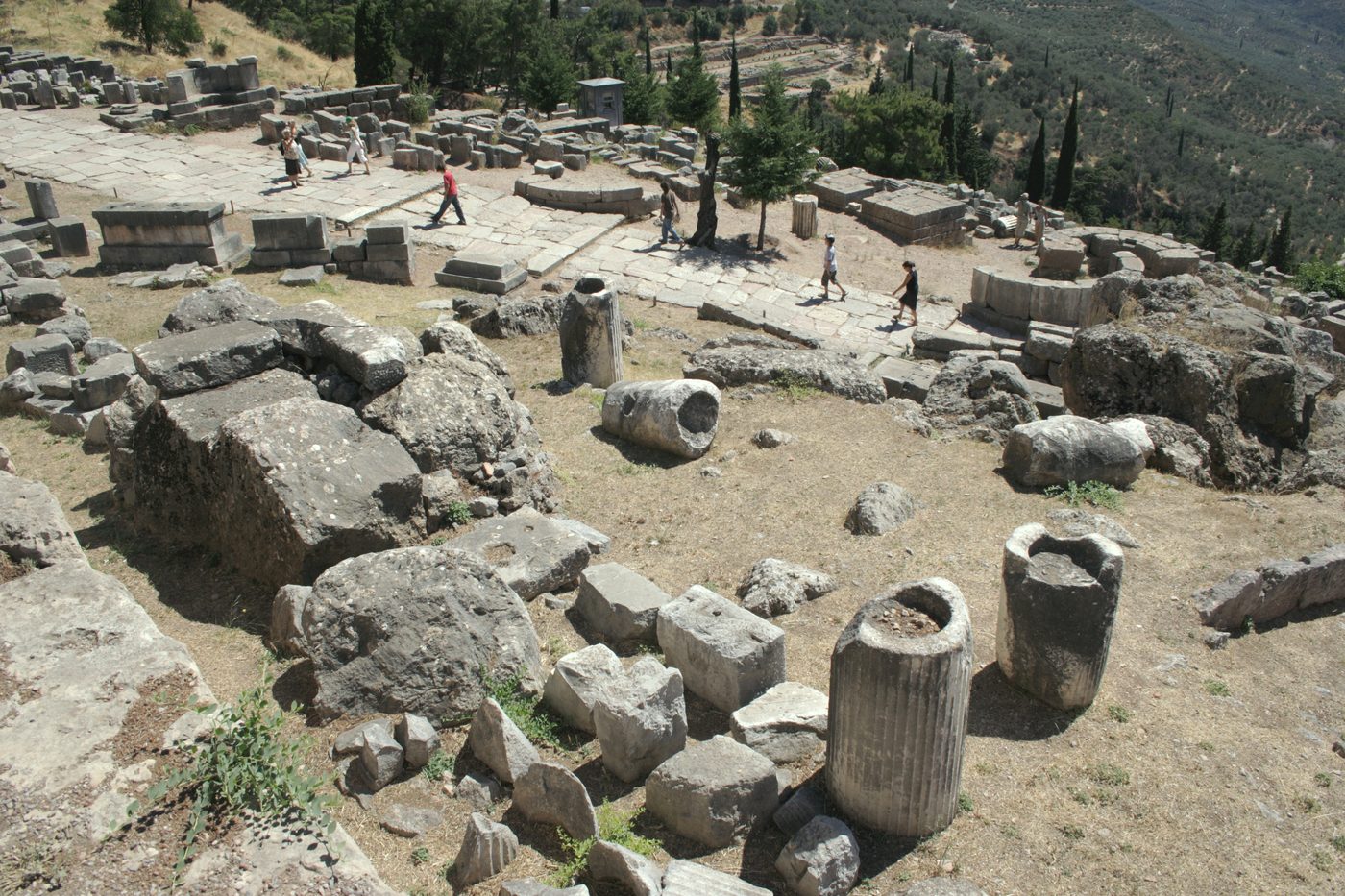
Three days is what Athens actually needs. With 72 hours, you can take the ancient city at a pace that lets things sink in, drive the Attic coast to the Temple of Poseidon without rushing, and fit in a day trip to Delphi, the most spectacular archaeological site in mainland Greece.
In this guide
Most people either bolt through Athens in a day or skip it entirely en route to the islands. After more than a decade living here, I can tell you that Athens is a three-day city. Not because there is an overwhelming amount to see, but because the best of it reveals itself when you stop sprinting. Sitting in a square in Exarchia with a cold beer while the light turns gold on the apartment blocks, or watching shadows move across the Parthenon from a bench on the Pnyx: these are not things you experience at a half-run between monuments. Three days gives you the city and two of the finest excursions in central Greece, and you leave feeling like you actually know the place.
Day 1: The Ancient City
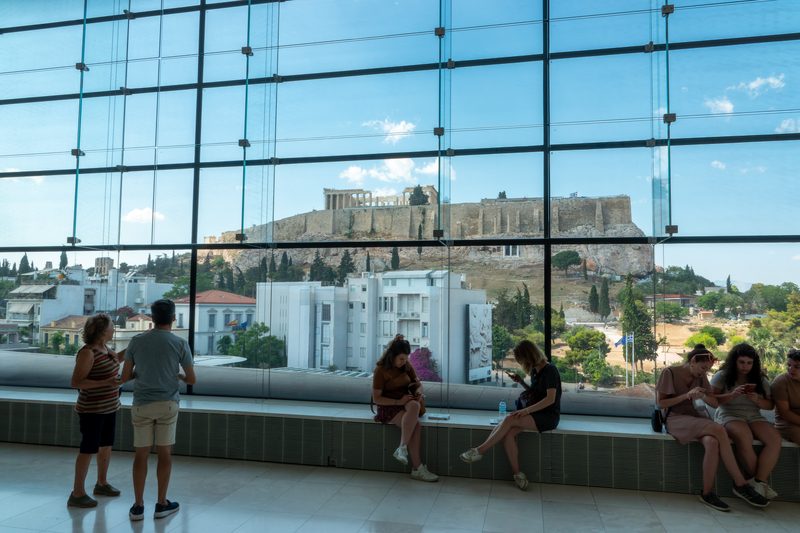
Morning: The Acropolis (08:00-10:30)
Get there for opening time: 08:00, summer and winter. The light in the first hour has a warmth that vanishes by mid-morning, and the crowds are thin enough that you can stand before the Parthenon and hear nothing but wind.
Enter through the western approach and slow down at the Propylaea, the monumental gateway that was ancient Athens' statement of intent. Mnesicles designed it with a combination of Doric and Ionic columns that was radical at the time, and the marble beams overhead, some weighing eleven tonnes, are easy to miss if you are already craning toward the Parthenon. The Propylaea is architecture as theatre, designed to build anticipation.
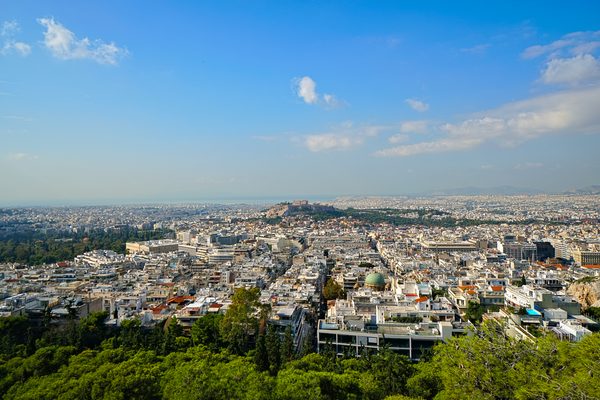
Once through, walk to the southern parapet before the Parthenon pulls you in. From here you look out over the Odeon of Herodes Atticus, the restored Roman theatre where performances still run on summer evenings, and beyond it the urban sprawl rolling down to Piraeus and the Saronic Gulf. On a clear morning you can see the port cranes and ferries heading south. This panorama gets overlooked because everyone clusters on the Parthenon's north side, but it is arguably the most interesting view from the rock: ancient performance space, modern megacity, and the sea that made Athens wealthy.
Walk the Parthenon's full perimeter. Pay attention to the column drums, each individually shaped with the famous entasis curve that makes them appear perfectly straight from a distance. The precision of it, achieved without power tools 2,500 years ago, is quietly staggering.
Tickets: 30 EUR (year-round). Timed entry is mandatory. Book your slot in advance at tickets.hh.gr. Entry is by hourly time slot and daily visitor numbers are capped.
Late Morning: The Acropolis Museum (10:30-12:30)
With three days you can give this museum a proper two hours. Start on the ground floor and look down. The building sits on stilts over excavated ancient streets, visible through glass panels beneath your feet. Before you see a single artefact, the museum reminds you this city has been continuously inhabited for millennia.
The first floor holds the original Caryatids from the Erechtheion porch, five of six standing in a climate-controlled case. The sixth is in the British Museum, and the empty plinth makes its own argument. Look at the backs of the figures: the sculptors carved individual hairstyles, plaits and curls rendered in stone with obsessive detail, for statues that would mostly be seen from below.
The top-floor Parthenon Gallery gets the headlines. But spend time with the lesser-known pieces too: votive reliefs from the Asklepion, fragments of painted decoration revealing how much colour these temples actually carried. The myth of white marble Greece dies in this museum.
Tickets: 20 EUR. No advance booking required for individuals.
Lunch: Exarchia (13:00-14:30)
Skip the tourist centre and walk 15 minutes north-east to Exarchia, Athens' counterculture neighbourhood: the university district, historically anarchist, recently gentrifying but still full of character. The streets around Plateia Exarchion are lined with small restaurants and ouzeries serving students and academics rather than tourists.
The tavernas on Valtetsiou and Emmanouil Benaki streets serve traditional dishes at prices that remind you Athens is one of Europe's cheapest capitals: lunch with wine for 12-15 EUR. Slow-braised lamb, properly made fasolada, horta with lemon. Nothing fancy, everything delicious.
If Greek food culture interests you, an Athens food tour can slot into any of these three days and will introduce you to places you would never find alone.
Afternoon: The Ancient Agora (15:00-17:00)
The site that brings classical Athens to life in ways the Acropolis cannot. The Acropolis was sacred space. The Agora was where the city actually happened. Citizens voted here, Socrates debated under these colonnades, merchants traded olive oil, and trials were conducted in open-air courts.
The Temple of Hephaestus is the best-preserved Greek temple in the world, its roof, columns, and sculptural decoration intact in ways the Parthenon has not been for centuries. But with a relaxed afternoon, explore beyond it. The foundations of the Bouleuterion (senate house) and the Tholos (where the executive committee of the democracy lived and ate during their term) are marked and labelled. Standing on these spots, knowing the mechanics of the world's first democracy were physically housed here, produces a different kind of awe.
The Stoa of Attalos houses a museum of civic objects: ballots, ostraka (the pottery shards on which citizens scratched the names of politicians they wanted exiled), a water clock fragment. Pick up a modern parallel if you like.
Tickets: 10 EUR.
Evening: Pangrati (18:00 onwards)
Skip the well-trodden areas and head to Pangrati, the residential neighbourhood east of the Temple of Olympian Zeus. The streets around Plateia Varnava have wine bars, small-plate restaurants, and ouzeries that represent the best of modern Athenian dining. No touts outside, no laminated menus. Order shared plates (saganaki, grilled octopus, fava puree, courgette fritters) and eat like a local. Expect 20-30 EUR per person with wine.
After dinner, walk past the Panathenaic Stadium (Kallimarmaro), lit up at night and striking after dark, the marble horseshoe where the first modern Olympics were held in 1896.
Day 2: Cape Sounion and the Attic Coast
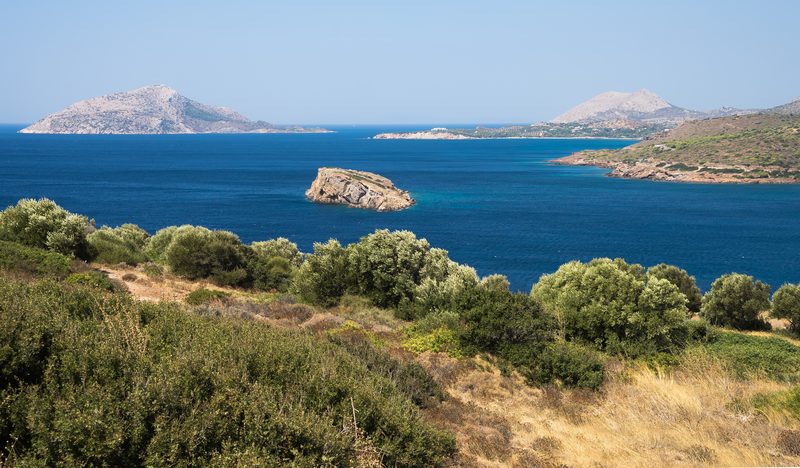
The East Coast Route (10:00-13:00)
No need to rush this morning. Most guides send you south through Glyfada and Vouliagmeni, the Athens Riviera route. With three days you can take the more interesting eastern approach instead, heading through Markopoulo and Lavrio, cutting through the interior of the Attica peninsula.
This route passes through old silver-mining country. The hills around Lavrion supplied the silver that funded Athens' fleet and its entire golden age. You can still see washing tables and smelting furnaces at the Lavrion Technological and Cultural Park if you fancy a short stop. Niche, but if you want to know how Athens actually paid for those temples, this is where the money came from.
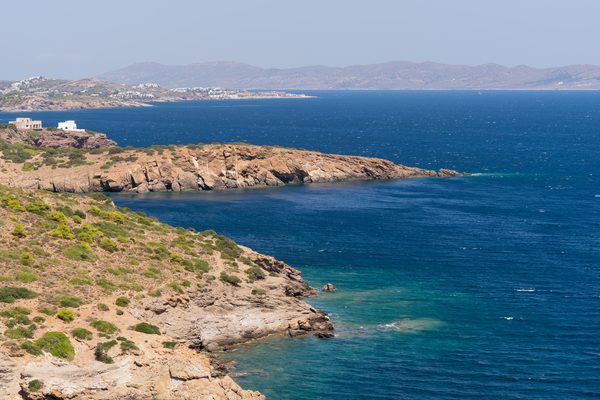
From Lavrio, the coast road south hugs a quieter, more rugged shoreline than the western Riviera. Small coves, fishing boats on pebbly beaches, tavernas serving the morning's catch. Attica without the polish.
The Temple of Poseidon (13:30 onwards)
White columns against blue sky and blue sea, 60 metres above the water on a headland sacred long before the current temple was built around 444 BC.
This was a strategic site as much as a religious one. Sounion commanded the sea lanes into the Saronic Gulf and controlled the approach to Piraeus. The Athenians fortified it with walls and a garrison during the Peloponnesian War. Any fleet sailing toward Athens had to pass beneath those cliffs. From the temple platform, the view south reaches to the Cycladic islands. On a clear day, Kea and Kythnos are visible. Ancient mariners used this headland as their last waypoint before open sea and the temple as their navigational landmark for the return.
Spend at least an hour. Walk the fortification walls, peer over the cliffs, and if you are here in the afternoon, find a rock and wait. The light changes constantly as the sun moves west, shifting the columns from bright white to warm gold. For complete visitor information, see the full Cape Sounion guide.
Tickets: 20 EUR. Open daily from 09:30 until sunset.
Sunset and Return
Stay for sunset if you have timed it right. The columns darken into silhouettes as the sun drops, one of the most photographed moments in Greece, and it earns its reputation.
For dinner, stop in Vouliagmeni on the return rather than driving straight to central Athens. Seafood restaurants along the small marina serve grilled fish and cold Assyrtiko wine at tables overlooking the water, a better end to the day than fighting city traffic on a full stomach.
Day 3: Delphi Day Trip
The Drive (07:30-10:00)
Set the alarm. Delphi is roughly 180 km north-west of Athens, about 2.5 hours by car. Leave by 07:30, take the E75 north toward Lamia, and exit at Kastro for the mountain road.
The drive is part of the experience. Once you leave the Boeotian plain and climb into the Parnassus range, olive groves give way to pine forest, the air sharpens, and the road winds through gorges. In winter the upper slopes carry snow; in spring, wildflowers line the road. Even in summer, the altitude (Delphi sits at 570 metres) provides relief from the Attic heat.
Without a car: KTEL buses from Terminal B (Liosion Street) take 2.5-3 hours, around 17 EUR one way. Organised tours (50-80 EUR with guide and lunch) handle logistics and add commentary that genuinely enhances the visit. Full transport details in the Delphi day trip guide.
The Archaeological Site (10:00-12:30)
Delphi was the centre of the ancient world, literally. The Greeks believed it the navel of the earth, where two eagles released by Zeus from opposite ends of the world met. For nearly a thousand years, pilgrims and kings came to consult the Oracle of Apollo.
The Sacred Way zigzags up the hillside past foundations of treasuries built by rival city-states to display their wealth, a concentrated exercise in competitive piety that says as much about Greek politics as Greek religion.
The Temple of Apollo, where the Pythia delivered her prophecies from a tripod over a chasm in the rock, occupies the central terrace. Stand inside the foundations and look out: the olive groves of the Pleistos gorge, the Gulf of Corinth, mountains on every horizon. The setting explains the sanctity. No committee chose this location; the landscape demanded it.
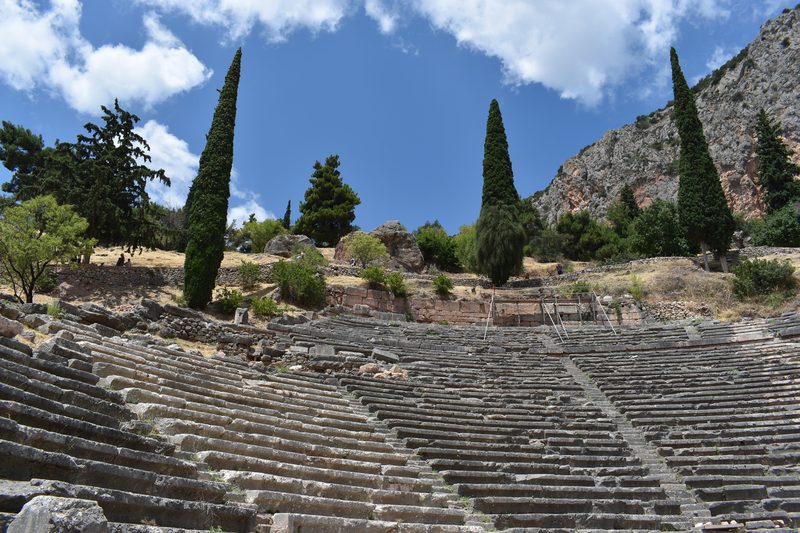
Above, the Theatre seats 5,000 and offers the definitive Delphi photograph from the top row. Continue up to the Stadium if your legs allow. The Pythian Games were held here every four years, and the stone starting blocks for the runners remain in place. Most visitors skip it, which means you may have it to yourself.
Tickets: 20 EUR (reduced 10 EUR), covering both the site and the museum. Buy at the entrance, or online at tickets.hh.gr (online tickets are for a timed slot).
The Museum (12:30-13:30)
Do not skip this. The Charioteer of Delphi alone justifies the visit: a life-sized bronze from 478 BC, one of the few original Greek bronzes to survive antiquity. The veins on his feet, individual eyelashes rendered in copper, the serene expression of a man who has just won the chariot race. The encounter stops you in your tracks after two and a half millennia.
The Sphinx of Naxos, the twin statues of Kleobis and Biton (among the earliest large-scale Greek sculptures), and the reconstructed Treasury of Siphnos frieze showing gods and giants in battle are all essential. Allow at least 45 minutes.
Lunch in Arachova (14:00-15:30)
Stop in Arachova on the return, the mountain village perched dramatically on the Parnassus slopes about 10 km east of Delphi. In winter it is a ski resort; in summer, a quieter village of stone houses climbing a steep main street.
The restaurants serve mountain food: grilled lamb chops, local sausage, handmade hilopites pasta, and formaela cheese grilled until it blisters. After a morning climbing the Sacred Way, it is exactly what you want. A meal with wine runs 15-25 EUR. For more on the area, see the Arachova and Parnassus guide.
The drive back to Athens takes 2.5 hours, arriving in time for a final rooftop drink with an Acropolis view.
Where to Stay
For an itinerary with two day trips by car, the neighbourhoods south and east of the Acropolis (Koukaki, Makriyanni, and Pangrati) offer the best mix of local character, food, and easy motorway access. Budget rooms start at 50-70 EUR per night; mid-range boutique hotels run 100-160 EUR.
Avoid Plaka or Ermou Street unless you enjoy bin lorries at 05:00 and pub crawls at 02:00.
Getting Around
Day 1 is entirely walkable (8-10 km plus hill climbs). Days 2 and 3 need a car, with rental from 35-50 EUR per day, booked in advance in summer. KTEL buses and organised tours work for both destinations if you prefer not to drive. Taxis within central Athens cost 4-8 EUR; use the BEAT app.
Budget Breakdown
| Category | Day 1 | Day 2 | Day 3 |
|---|---|---|---|
| Acropolis | 30 EUR | -- | -- |
| Acropolis Museum | 20 EUR | -- | -- |
| Ancient Agora | 10 EUR | -- | -- |
| Cape Sounion entry | -- | 20 EUR | -- |
| Delphi (site + museum) | -- | -- | 20 EUR |
| Car rental (split between 2) | -- | 20 EUR | 20 EUR |
| Fuel | -- | 10 EUR | 15 EUR |
| Meals (lunch + dinner) | 30-40 EUR | 30-40 EUR | 30-40 EUR |
| Coffee / snacks | 5-8 EUR | 5-8 EUR | 5-8 EUR |
| Metro / transport | 5 EUR | -- | -- |
| Daily total | 100-115 EUR | 85-100 EUR | 90-105 EUR |
Three-day total: approximately 275-320 EUR per person, excluding accommodation and flights.
What Should You Know Before Going?
- Book Acropolis timed entry at tickets.hh.gr. It is mandatory. Daily visitor caps apply and slots sell out in summer.
- Carry a refillable water bottle. Athens tap water is safe. Archaeological sites in summer are shadeless.
- Wear proper shoes all three days. Acropolis marble is polished smooth, Sounion paths are uneven rock, and Delphi's Sacred Way is steep.
- Best months: April-May and September-October. July-August bring 38C heat and peak pricing.
- Motorway tolls on the Delphi route total roughly 8-10 EUR each way.
- Petrol stations are sparse on the Sounion coastal road. Fill up before leaving Athens on Day 2.
- Cash: Carry 30-40 EUR for bakeries, kiosks, and bus tickets.
If You Have More Time
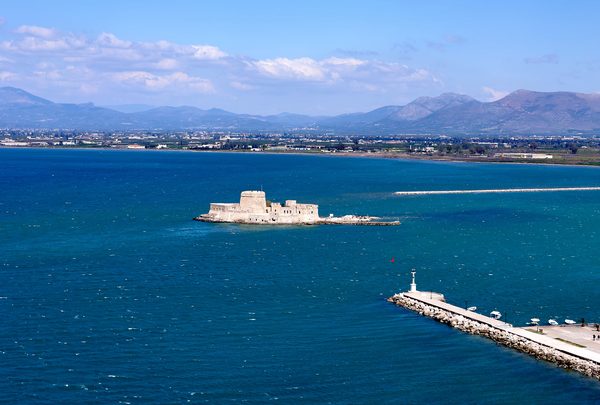
A fourth day opens up the ancient theatre at Epidaurus, the Venetian town of Nafplio, the Saronic Gulf islands (Aegina, Hydra, or Poros by ferry in 1-2 hours), or a morning at the National Archaeological Museum. For the full list, see the best day trips from Athens.
Day 1 covers approximately 8-10 km on foot. Day 2 is a 160-200 km round trip. Day 3 is a 360 km round trip. The Acropolis opens at 08:00 year-round (it closes at 20:00 in summer and 17:00 in winter). Sounion opens daily at 09:30. Delphi opens at 08:00 in summer, 08:30 in winter.
Planning more adventures from the capital? Browse our complete guide to the best day trips from Athens.
Last updated: 1 October 2026